


Fraxel Resurfacing
Fraxel is an advanced, non-ablative fractional laser treatment that is FDA cleared to address a number of skin issues including sun damage, discoloration, fine lines, uneven texture, acne scars and surgical scars. Unlike traditional laser resurfacing, Fraxel targets specific areas of the skin while leaving surrounding tissue intact. The laser creates microscopic zones of controlled heat beneath the skin to stimulate the production of new collagen for smoother, clearer and more even-looking skin.
Fraxel treatments are highly customizable. Both treatment depth and intensity can be adjusted, allowing providers to tailor treatment to a wide range of ages, skin tones and concerns. Fraxel can be performed on nearly any area of the body including sensitive areas like the neck and décolletage.
Before and After Fraxel
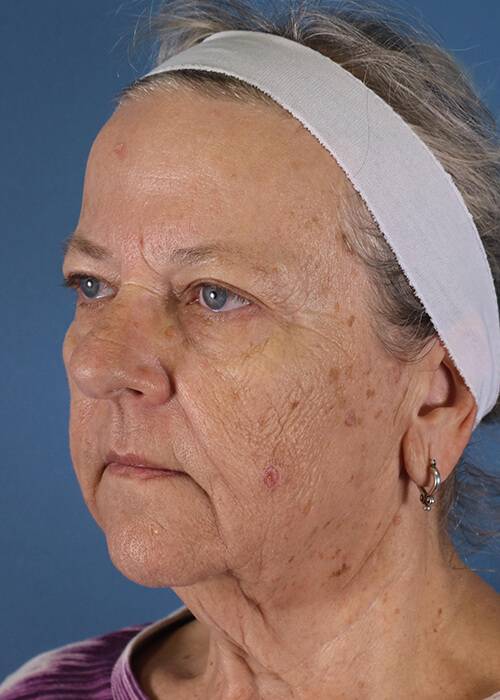 Before
 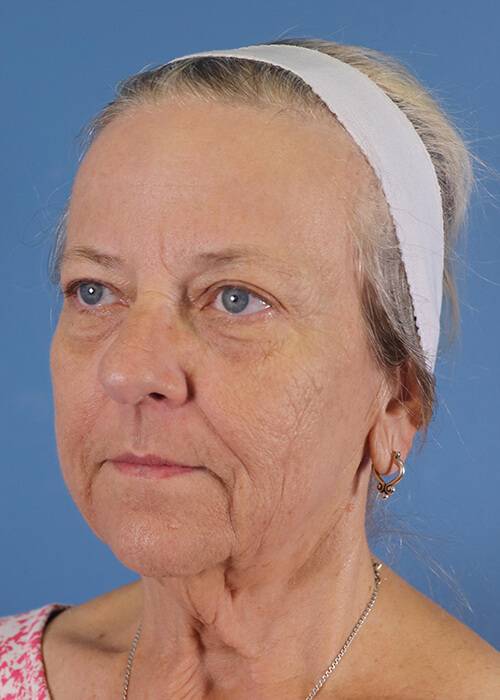 After
After 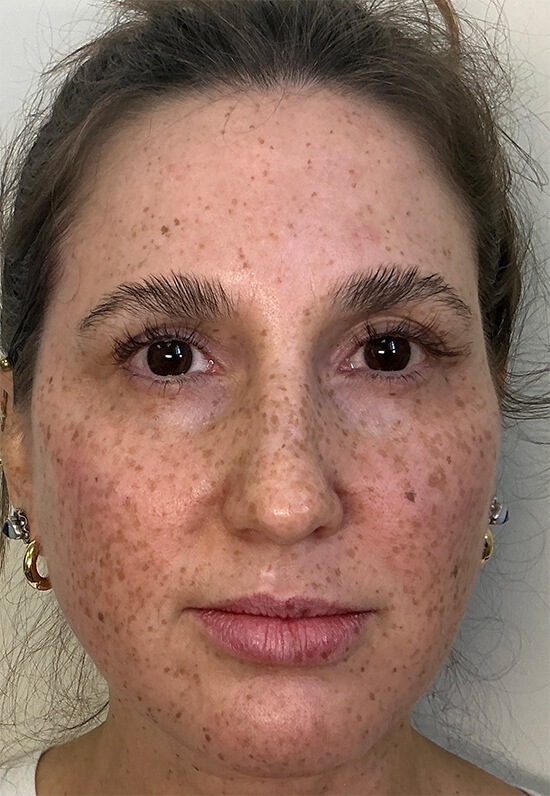 Before
 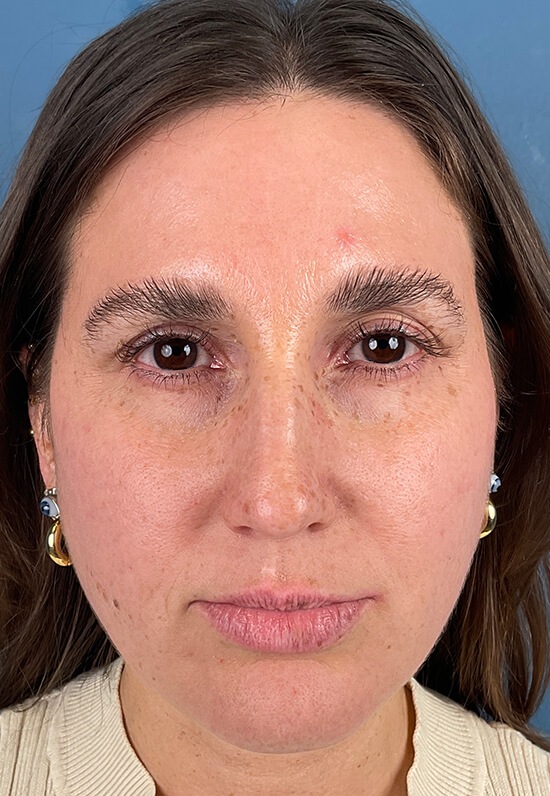 After
After View Fraxel Photo Gallery
What Are the Benefits of Fraxel?
Fraxel provides noticeable skin rejuvenation without surgery or the extended recovery associated with more aggressive ablative laser treatments. Depending on patient need, Fraxel can be utilized to:
- Improve uneven skin tone and texture
- Reduce the appearance of age spots, sun spots and freckles
- Improve visible sun damage and discoloration
- Soften fine lines, including wrinkles around the eyes
- Reduce the appearance of acne scars and surgical scars
- Encourage new collagen production
- Create a smoother, brighter and more refreshed complexion
- Treat the face as well as areas such as the neck, chest and hands
Dual Wavelength Offers Advanced Customization
The Fraxel laser uses two complementary laser wavelengths, allowing providers to treat superficial discoloration and/or deeper textural concerns.
The deep (1550 nm) wavelength reaches more deeply into the skin and is commonly used to improve:
- Acne Scars
- Surgical Scars
- Lines and wrinkles
- Uneven skin texture
The shallow (1927 nm) wavelength targets superficial concerns and is commonly used to improve:
- Age spots
- Sun spots
- Freckles
- Melasma
- Other pigmented lesions
- Actinic Keratoses
How Does Fraxel Work?
Fraxel laser is specially designed to alter fractional volumes of the target tissue at a time. Similar to digital alteration of photographs and paintings, the clinical effect of this treatment technique is to alter the appearance of aging and sun-damaged skin. Unlike ablative lasers that remove the top layer of skin, Fraxel produces tiny, microscopic sites of thermal impact separated by areas of unaffected, healthy tissue. The healthy tissue between treatment areas contains viable cells that promote rapid healing of the outer skin layers. At the same time, collagen fibers are coagulated in the treated areas resulting in skin improvement.
What Is a Fraxel Treatment Like?
Fraxel treatments begin with the application of a topical anesthetic to minimize any discomfort. During treatment, patients may feel warmth, prickling or a snapping sensation as the laser passes over the skin. Integrated cooling helps make the procedure more comfortable.
Treatment time varies according to the size and number of areas being addressed. Most treatments take between 30 minutes to an hour after the numbing process is complete.
How Many Fraxel Treatments Will I Need?
Some patients will achieve their desired end result after a single Fraxel treatment, while others may require a series of treatments. The ideal number of sessions depends on the condition being treated, its severity, the selected treatment intensity and the patient’s desired outcome.
How Soon Will I See Results?
Fraxel results develop gradually as the skin heals and collagen remodeling occurs. Pigmentation may begin to fade within the first few weeks, while improvements in texture, fine lines and scars emerge more slowly. Depending on the concern being treated and the intensity of treatment, full results may take several weeks or months to appear.
How Long Do Fraxel Results Last?
Fraxel provides long-lasting results, especially when maintained with proper skincare and sun protection. Although treatment cannot stop the natural aging process or prevent new sun damage, periodic maintenance treatments may help preserve a smoother, clearer and more even complexion.
What Is Fraxel Recovery Like?
Due to its healthy tissue sparing methodology, Fraxel offers a shorter recovery period compared to traditional ablative laser resurfacing.
Immediately following treatment, patients may notice that the skin feels warm and appears red or swollen, similar to a sunburn. Swelling may be more noticeable around the eyes. Over the next few days, the skin may develop a bronzed appearance and feel dry, rough or similar to fine sandpaper. Dark spots may temporarily become more visible as pigmented cells move toward the surface.
Mild flaking or peeling may occur as the skin renews itself. Redness and swelling generally improve gradually, although temporary pinkness or dryness may last longer following a more intensive treatment.
Patients should follow all post-treatment instructions, use gentle skincare products and protect the treated area from direct sun exposure.
Is Fraxel Safe?
Fraxel laser systems are FDA-cleared to address a variety of issues including:
- Skin Resurfacing
- Age Spots
- Sun Spots
- Freckles
- Uneven Pigmentation
- Actinic Keratoses
- Melasma
- Wrinkles
- Acne Scars
- Surgical Scars
Who Is a Good Candidate for Fraxel?
Fraxel is a great option for patients of any age or skin tone who wish to improve visible sun damage, pigmentation, fine lines, uneven texture or scars without undergoing an ablative procedure or surgery.
The ideal treatment approach varies from patient to patient based on individual goals, skin type, current skin condition and desired recovery time. A consultation with an experienced provider is necessary to determine whether Fraxel or another laser resurfacing treatment will provide the safest and most effective option.
How Is Fraxel Dual Different from Fraxel Re:Pair?
Fraxel Dual is a non-ablative fractional laser that treats beneath the skin without removing the entire surface, resulting in a shorter and generally more manageable recovery period.
Fraxel Re:Pair is an ablative fractional CO2 laser that treats both the surface and deeper layers of the skin. It is typically considered to be more powerful and used to address more advanced sun damage, deeper wrinkles or significant textural concerns. However, Fraxel Re:Pair often involves a more intensive recovery.
The appropriate treatment depends on the amount of correction desired and the patient’s comfort with downtime.