



Post Weight Loss Tummy Tuck (Abdominoplasty)
Today’s advanced weight loss medications like Ozempic® and Mounjaro® (GLP-1 receptor agonists) have transformed the weight loss journey. These medications are clinically proven to be safe and effective, helping many individuals who have historically struggled with their weight to shed unwanted pounds, often as much as 15–25% of their total body weight, in a relatively short amount of time.
While the health benefits of weight loss are undeniable, there is one major consequence of rapid weight loss that many patients may experience: excess, sagging skin. After such dramatic weight loss loose skin can become both a cosmetic and functional concern. Depending on the amount and quickness of this weight loss, patients can experience unwanted sagging skin especially in the abdomen (stomach) area. For those facing this challenge, tummy tuck surgery (abdominoplasty) offers a long-lasting solution to achieve a tighter, more contoured silhouette.
What Happens to the Body After Dramatic GLP-1 Weight Loss?
When weight loss happens rapidly, as is the case with GLP-1 medications like Ozempic, the skin may not have time to retract along the patient’s thinning body. This phenomenon, sometimes called “Ozempic body,” often leaves individuals with loose or hanging skin around the midsection, arms, thighs, and face.
The abdomen tends to be one of the most affected areas as most people carry a high percentage of unwanted fat in the area. In certain cases, sagging skin can cause more than just cosmetic frustration; it can lead to hygiene issues, rashes, chafing, and a loss of confidence in your appearance. In these instances, one of the only ways to correct moderate to severe excess skin is through a tummy tuck procedure.
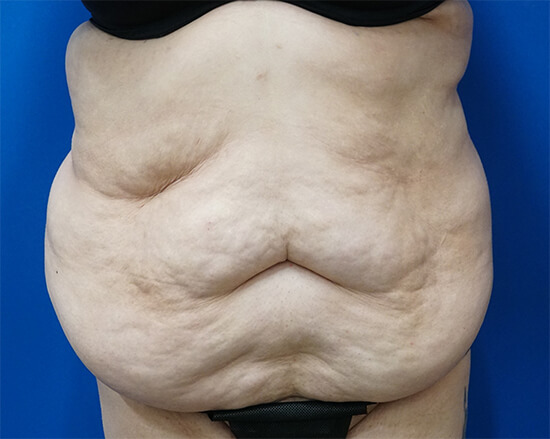 Before
 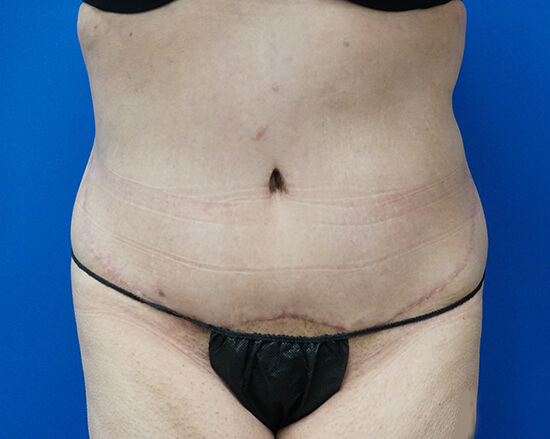 After
After 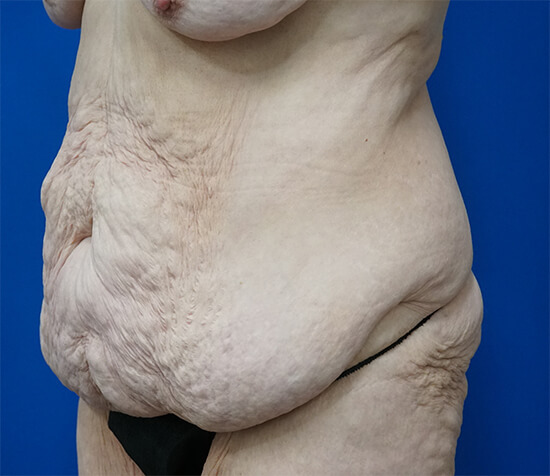 Before
 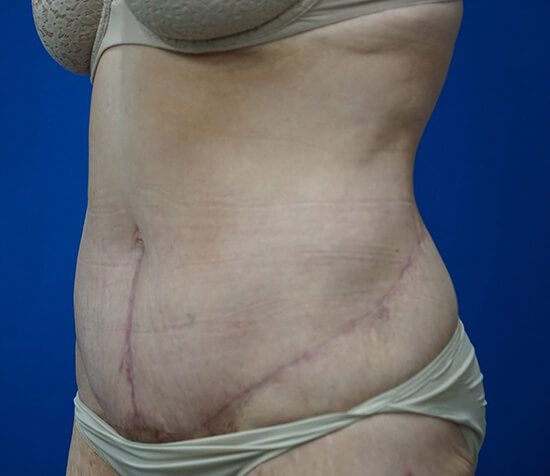 After
After What Is a Tummy Tuck?
A tummy tuck (abdominoplasty) is a surgical procedure that removes excess skin and fat from the abdomen while tightening weakened or separated abdominal muscles. The result is a smoother, firmer midsection.
There are different types of tummy tucks procedures, each of which vary in terms of invasiveness and results provided. Three of the most popular forms of tummy tuck techniques include:
- Full Tummy Tuck: This is one of the most invasive tummy tuck techniques that can be used to addresses the entire abdominal area, above and below the belly button.
- Mini Tummy Tuck: A minimally invasive abdominoplasty technique that focuses on the lower abdomen only, ideal for those with minimal excess skin.
- Extended Tummy Tuck: This is one of the most invasive tummy tuck techniques that as it involves a longer incision to address skin and tissue that extends around the sides of the body or flanks. However, an extended tummy tuck provides dramatic results for individuals with severe excess tissue.
It is important to note that a tummy tuck is not the same as liposuction. Liposuction is a procedure that removes isolated pockets of fat, while a tummy tuck removes excess skin and repairs the underlying (lax) muscles.
Benefits of a Tummy Tuck After Ozempic Weight Loss
For many individuals left with unwanted symptoms of Ozempic Body, a tummy tuck procedure is the only way to restore the silhouette. An abdominoplasty procedure can yield dramatic life-changing results, giving patients numerous benefits including:
Aesthetic Improvements:
- Removes hanging or sagging abdominal skin
- Creates a flatter, firmer abdominal contour
Functional Improvements:
- Repairs separated abdominal muscles (diastasis recti)
- Improves posture and core stability
- Reduces skin irritation, chafing, and hygiene issues
Psychological Benefits:
- Boosts confidence and body image
- Makes it easier to wear form-fitting or tailored clothing
Webinar: Tummy Tuck After Weight Loss With Dr. Bekanich
Are Tummy Tuck Results Permanent?
Tummy tuck procedures offer dramatic and long-lasting results, but maintaining post-procedure benefits does require commitment. Patients should ensure their weight remains stable after surgery as any future weight gain or weight loss can negatively affect the results. This is why it is best to undergo a tummy tuck procedure after the patients weight loss goal is achieved and said goal is maintained for at least 3–6 months.
Following a healthy diet and exercise regimen post-procedure will ensure that the life-changing results of abdominoplasty continue permanently.
Who Is a Good Candidate for a Tummy Tuck After Ozempic?
Not everyone who loses weight with Ozempic or similar glp-1 medications will need a tummy tuck. Patients who are ideal candidates for the surgery:
- Have issues with Ozempic Body, including excess skin and loose muscles along the abdomen
- Have achieved their goal weight
- Have maintained a stable weight for at least 3–6 months
- Are in good overall health and cleared for surgery
- Do not smoke or are willing to quit
- Have realistic expectations and understand the recovery process
How the Tummy Tuck Surgery Is Performed
Tummy tuck surgery is an outpatient procedure; patients will typically return home following the surgery. Most abdominoplasty procedures are performed using general anesthesia. The procedure starts with an incision across the lower abdomen allowing a surgeon to remove excess skin and tighten slack muscles. Any remaining skin is then re-draped over the abdominal area leaving a flat and tight stomach. The procedure typically takes 2-3 hours to be performed and patients can return home following the surgery.
Recovery and Downtime
While tummy tuck recovery can vary depending on the type of abdominoplasty technique performed and the unique healing response of each patient, there are general milestones most patients can expect. In the first few days after surgery, rest is crucial, along with light walking to promote circulation and the use of prescribed medications to manage discomfort. During the first few weeks, physical activity should be limited—particularly lifting, bending, or any movements that strain the abdominal area. Most patients will be cleared to return to work, school, and other non-physical daily activities within 2 weeks of their procedure. Around four to six weeks post-surgery, most patients can usually begin to return to their normal routines and may gradually resume exercise with their surgeon’s approval.
Scar care is also an important part of the healing process; with proper treatment and sun protection, the incision will typically fade over time. Additional scar minimizing treatments can also be performed to further diminish the appearance of any post-surgery scarring.
Most importantly, following your surgeon’s post-operative instructions is key to ensuring a smooth recovery and achieving lasting results.