


Austin Hair Transplant
October Special: Save $1,000 on any hair transplant procedure. Contact us today to learn more.
It is estimated that nearly 66% of men over age 35 and about 50% of women over age 50 experience moderate to severe pattern hair loss. Since the hair is often associated with youth, vitality, and health, hair loss can feel deeply personal, negatively impacting confidence and self-image. For many individuals, it can be one of the most emotionally challenging experiences of their lives.
Hair transplant procedures help patients feel “whole again” with most reporting significant improvements in both their professional and personal lives after treatment. Many patients find that hair transplant can be profoundly healing. While the procedure delivers clear aesthetic benefits, it is, at its core, a reconstructive treatment designed to restore not just appearance, but self-assurance and well-being.
What is a hair transplant?
Hair transplant surgery is a permanent hair restoration technique that uses hair from full areas to fill in areas of the scalp, eyebrows, sideburns, goatee, or beard that exhibit balding or moderate to severe hair thinning. The procedure involves the relocation of healthy hair follicles from fuller areas of the scalp (i.e., the donor area) to regions experiencing thinning or balding (i.e., the recipient area).
How Many Grafts Will You Need?
Submit your photos and get a personalized estimated graft range and total procedure cost directly from Dr. Reese and our hair transplant team.
Get My Free EstimateHow are hair transplant procedures performed?
The first step of a hair transplant involves the physician developing a clear understanding of the patient’s goals, then designing a hairline to reframe their face. The surgical plan includes careful thought about recipient site density patterns required for the individual to achieve aesthetic density and coverage.
The procedure is performed with local anesthesia so that the patient is awake and comfortable for the entirety of the procedure.
At Westlake Dermatology, we perform advanced hair restoration techniques including Follicular Unit Transplantation (FUT), Follicular Unit Extraction (FUE), or a combination of both harvesting techniques to restore natural-looking density and confidence. Each harvesting technique is highly effective for achieving lasting, natural results, and your surgeon will recommend the best method for you based on your hair type, amount of hair loss, and treatment goals. Learn more about the latest FUE and FUT techniques
Once the hair follicles have been harvested, the surgeon creates the recipient sites and the density patterns required for the new placements. Recipient site density patterns typically range from 20 to 50 sites per square cm, but these can vary based on individual patient characteristics such as color contrast of hair and scalp, hair caliber, or straight versus curly hair. The follicles are placed one per recipient site created until the procedure is complete.
Patients utilizing the FUT technique return for suture removal approximately 2 weeks after the procedure. The FUE technique does not require follow-up for suture removal since none are used in the procedure.
Before and After Hair Transplant
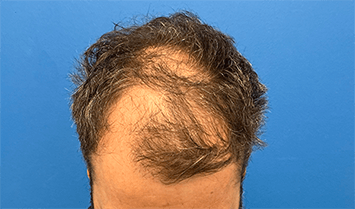 Before
 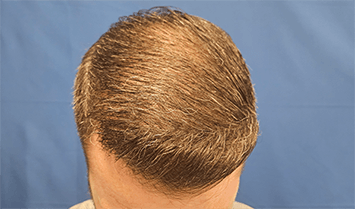 After
After 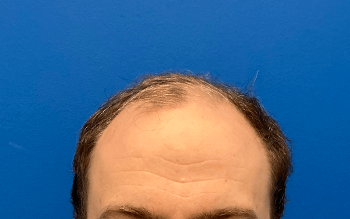 Before
 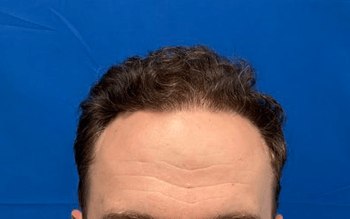 After
After View Hair Transplant Photo Gallery
Who is the ideal candidate for a hair transplant?
The ideal candidate is ultimately determined by the patient’s goals and expectations. Patient goals can range from re-establishing a frontal hairline and light coverage, to much more extensive coverage due to massive hair loss. In addition to the scalp, hair restoration can also address thinning of the eyebrows, sideburns, or beard.
Hair transplant patients range in age from young children to adults age 80 and up. If a patient does not have restrictions going to the dentist, they will be fine proceeding with a hair restoration procedure.
How long does the procedure take?
Patients should expect to stay the entire day, typically 8 to 12 hours, to allow for the appropriate time necessary to obtain quality follicles and to allow for a procedure of the highest possible standard.
Why Choose Dr. Reese and Westlake Dermatology?
Choosing the right hair transplant provider matters. At Westlake Dermatology, our patients benefit from world renowned experience, the latest hair transplant techniques and technology, transparent pricing, and luxurious experience in our world class facilities.
A Comfortable, Private Experience
Hair transplant surgery is typically an all-day procedure, so comfort matters. At Westlake Dermatology, patients are treated in private, thoughtfully designed procedure rooms that feature comfortable furnishings, elevated finishes, and a calm, welcoming environment.
Our team works to ensure your experience is as smooth and relaxing as possible from start to finish. During your visit, we provide:
- Private, comfortable treatment rooms
- A refined and relaxing atmosphere
- Healthy and delicious lunch and snacks
- Attentive support from our entire team
What should I expect after my hair transplant procedure?
It is rare for patients to report any significant post-procedure discomfort. Non-narcotic analgesics in conjunction with a cool pack can be utilized for two or three days to help with any minor discomfort.
Normal light activities can be resumed immediately post-procedure, with unrestricted physical activity resumed within 7 to 10 days.
Patients are asked to wear a light dressing for the first night following the procedure. No additional dressings are required after that. The recipient scalp will have light crusting (scabs) for a few days after the procedure. The transplanted scalp will also exhibit redness (erythema) for 2 to 4 weeks post-procedure. Scalp infection is rare but is occasionally reported.
Typically, the hair in the transplanted follicles shed within a week or two of the procedure. The follicles remain dormant for 6 to 8 weeks before beginning to grow new hair.
Pre-procedure, many patients worry that people are going to know that they had a hair transplant. The reality is that results develop so gradually that nobody knows that the patient has undergone the procedure. In fact, most patients report in hindsight that having the procedure was surprisingly easy. They report that the most difficult part of the procedure is waiting for the result which develops gradually over the course of one year.
Will a hair transplant leave scars?
The FUT technique leaves a fine linear scar in the donor area, typically only 1 to 2 mm diameter. Scarring is minimized by utilizing the trichophytic closure technique which encourages surrounding hair to grow through the closed incision which helps to mask its presence. Scarring is typically only noticeable with very short hairstyles.
The FUE technique results in tiny circular marks that are virtually invisible once healed, offering a scar-minimal option for patients who wear closely cropped hair.
Are hair transplant results permanent?
Generally, the results provided by either FUT or FUE hair transplant are permanent. However, in some cases patients may require touch-up sessions to maintain thick and full hair in treated areas. Patients with a genetic predisposition to losing hair may continue to lose native hair, so Minoxidil and Finasteride are recommended to help manage ongoing hair loss.
Are multiple hair transplant sessions necessary?
The need for multiple treatment sessions varies by patient, depending on degree of hair loss and desired result. Many patients accomplish their goal with a single treatment session; while others may choose to have a second procedure at some point in the future to add density and/or gain coverage in an area of scalp that has not been previously transplanted.
Meet Dr. Robert Reese
Hair transplant procedures, along with consultations and follow-up appointments, are performed at our Westlake location in Austin by Dr. Robert Reese, a Board-Certified General Surgeon who has been performing hair restoration procedures since 1999. Dr. Reese is skilled in all aspects of the hair transplant process, including FUE and FUT procedures, and is well known and respected in the hair restoration community both nationally and internationally. Dr. Reese performs hair restoration procedures on all age, gender, and ethnic groups. Visit Dr. Reese’s bio page to learn more.
Dr. Reese likes to tell his patients to, “Celebrate today, because today is the day that you are going to get your hair back.” You just might find that you are actually having some fun spending the day with us.
Hair Transplants in Other Areas
Hair transplant surgery is not limited to the scalp. At Westlake Dermatology, we also perform hair transplant procedures for other areas where patients may want to restore fullness or enhance hair growth.
Common areas include:
- Eyebrows
- Beard
- Mustache
- Sideburns
How Much Does a Hair Transplant Cost?
Get your hair back now, for as little as $300 per month*
The average cost of a hair transplant procedure ranges from $4,000 to $15,000 (according to WebMD), with pricing typically based on the extent of treatment and the surgical approach.
There are many factors that determine the final cost of any hair transplant including:
- Total number of grafts needed
- Size of the treatment area
- Transplant technique utilized
- Complexity of hairline design
At Westlake Dermatology, we pride ourselves providing transparent, all-inclusive pricing that is competitive with other experienced hair transplant surgeons in the Austin area. Unlike practices who use per-graft pricing and later add unexpected fees, we provide one clear price needed to achieve the desired final result.
* Results now, pay later! We offer simple monthly payment plans with 0% interest financing options through Cherry, Prosper, and CareCredit.
Real Patient Testimonial About Hair Transplant at Westlake Dermatology:
- “Working with Dr. Bob Reese and his team was an outstanding experience from start to finish. He took the time to understand my goals, walked me through every step of the process, and delivered a result that exceeded my expectations. The precision, care, and artistry of his work are second to none. I’d recommend Dr. Reese without hesitation to anyone considering a hair restoration procedure.” Jeremy C.
- “My first (FUE hair transplant) surgery was with a doctor that I did not research enough, and the results were not at all satisfactory. My second surgery I was introduced to Dr. Bob Reese. The results were drastically different. The hair that was harvested from my back and side of my head was double the follicle count what the first surgeon was able to accomplish. The healing process was easier and explained by Dr. Reese exceptionally well. I wholeheartedly recommend Dr. Reese for hair transplant surgery. He has years of experience, has a wonderful bedside manner and is a doctor that has specialized in professional hair restoration for decades.” Peter M.
- “Absolutely phenomenal experience with my hair transplant by Dr. Reese and his team: Cindy, Ruby, and Aliya. I came from out of state to have this procedure done, and Dr. Reese’s expertise and experience gave me a lot of confidence throughout the process. From the initial in-person consultation, we designed a preliminary hairline together and discussed how many grafts we were planning to transplant. On the day of the procedure, to my surprise, and really as a testament to the dedication the team has to achieving the best possible results, we ended up doing about 50% more grafts than originally planned due to how well the follicle extraction was going.This was the definition of exceeding expectations. They truly know what they’re doing, and I’m extremely satisfied with how everything went. I’m excited to watch the results develop over the coming months.” Jordan M.

Additional Hair Transplant Resources
- Facial Hair Transplants for Beard, Mustache & Sideburns
- Eyebrow Hair Transplant: A Permanent Fix for Sparse Brows
- Donor Hair: The 3 C’s Behind Better Transplant Results
- Here’s When You Can Resume Activities After A Hair Transplant
- From Graft to Growth: How Hair Transplants Work
- 6 Real Patients Warn About Hair Transplants In Turkey
- Shock Loss (Shedding) After Hair Transplant: What’s Normal and What’s Not
- Hair Transplant Recovery Guide: Timeline, Tips & What To Expect
- FUT vs. FUE Hair Transplant: What’s the Difference?