

Brachioradial Pruritus: Causes, Symptoms, and Treatment Options
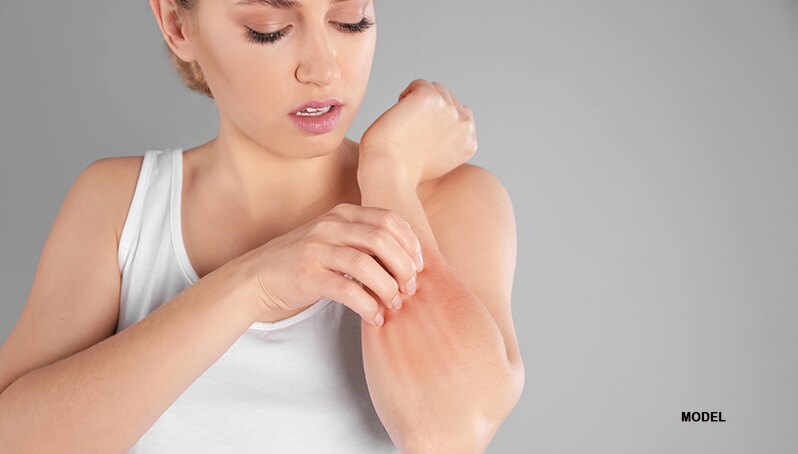
Brachioradial Pruritus (BRP) is an uncommon yet extremely frustrating form of persistent itching that most often manifests along the forearms. Many patients initially assume it is a skin issue, but the actual source of the itch lies deeper. BRP is considered a neuropathic itch, meaning it originates from irritated or damaged nerves rather than the skin itself.
Understanding what causes BRP, why symptoms come and go, and how it is diagnosed can help patients manage the condition. In this blog post, we will explore the causes, symptoms, risk factors, and effective treatment options for this condition.
What Is Brachioradial Pruritus?
Brachioradial Pruritus is a chronic itching or burning sensation typically located along the outer (lateral) forearms. While the forearms are the most common location, symptoms may also affect the shoulders or upper arms.
Unlike dryness related itching, BRP is considered a neuropathic itch. This means that the symptoms stem from nerve irritation either in the skin’s sensory nerves or along the cervical spine. Many patients notice that symptoms worsen during warmer months or after extended time outdoors, which supports the connection to sun exposure.
BRP can be recurrent or seasonal, with symptoms often intensifying in the spring and summer (hot weather months) and improving during cooler weather.
Common Brachioradial Pruritus Symptoms
BRP systems may include:
- Persistent itching, burning, or tingling along the outer forearm
- Sensations described as prickly, stinging, electric, or deep beneath the skin
- Minimal or no visible rash, with redness or irritation only developing due to persistent scratching.
- Worsening itchiness with heat, exercise, or sun exposure
- Sensation relief with cooling, especially when an ice pack is applied to the affected area
The rapid relief that occurs with ice, often called the ice pack sign, is considered a key diagnostic clue for BRP.
What Causes Brachioradial Pruritus?
Although the exact cause is not fully understood, research suggests that BRP is linked to two primary factors:
- Sun Exposure
Ultraviolet (UV) radiation exposure can irritate or damage the cutaneous nerves in the forearms. This may explain why many patients experience symptom flare-ups during the summer months.
- Cervical Spine Nerve Compression
Changes in the cervical spine, including arthritis, herniated discs, or nerve impingement, can cause abnormal itch signals to travel down the nerves into the arms. For some patients, BRP may be an early sign of a spine related issue.
In many cases, both sun exposure and cervical nerve compression contribute to the development of symptoms. Additional factors, such as muscle strain, repetitive neck movement, or stress, may also intensify itching.
Are Some People More Prone to Developing Brachioradial Pruritus?
Certain individuals are at higher risk of BRP, including:
- People with fair skin who experience frequent or extended sun exposure, such as golfers, runners, or outdoor workers
- Women between the ages of 40 and 60
- Individuals with a history of neck or cervical spine disorders, including arthritis or degenerative disc disease
Although brachioradial pruritus can occur in anyone, these risk factors increase the likelihood that the nerves supplying the arms may become irritated.
How Is Brachioradial Pruritus Diagnosed?
BRP is typically diagnosed through a clinical evaluation that includes reviewing symptoms and medical history. Because there are often limited visible skin changes, your provider may ask detailed questions about:
- Sun habits or seasonal patterns
- Outdoor activities
- Any history of neck or spine discomfort
If spinal involvement is suspected, imaging such as X-rays or MRI may be recommended. The ice pack test, which involves cooling the skin to see if symptoms improve, can also help confirm a neuropathic cause.
How Brachioradial Pruritus Differs From Other Causes of Itchy Skin
Brachioradial Pruritus differs from many common skin conditions in several important ways.
- It typically does not cause a primary rash, unlike eczema or allergic dermatitis
- Corticosteroid creams that reduce inflammation in other skin conditions often do not help BRP
- Symptoms may occur on both arms and may worsen with sun exposure or neck movement
- The itch originates from nerve irritation rather than surface level inflammation
Conditions that may appear similar include notalgia paresthetica, which affects the upper back, and inflammatory skin diseases such as atopic dermatitis or psoriasis. These comparisons help guide accurate diagnosis and treatment.
Can Brachioradial Pruritus Be Prevented?
Unfortunately, there is no way to completely prevent brachioradial pruritus. There are, however, proven ways to minimize symptoms. Patients can manage the condition by:
- Applying a broad spectrum sunscreen every day
- Wearing UV protective sleeves or long-sleeved clothing during outdoor activities
- Avoiding tanning (yes, even indoor tanning) and limiting midday sun exposure
- Maintaining healthy posture, stretching regularly, and using ergonomic positioning to reduce strain on the cervical spine
When done consistently, these steps may help minimize nerve irritation and reduce recurring symptoms.
Does Brachioradial Pruritus Need to Be Treated, or Will It Go Away on Its Own?
Some mild cases of brachioradial pruritus improve on their own, especially during cooler seasons. However, more severe causes that cause chronic symptoms may require intervention. Treatment may be needed if persistent scratching causes skin damage or if the itching sensation interferes with sleep and daily comfort.
Since BRP often involves underlying nerve irritation, medical evaluation is important for long term relief.
Treating Minor to Moderate Brachioradial Pruritus
Most mild or moderate cases of BRP respond well to simple lifestyle adjustments and topical therapies that calm irritated nerves and reduce daily discomfort.
Lifestyle and At Home Measures
- Apply cold compresses or ice packs to soothe itching and provide quick relief
- Avoid heat and direct sun exposure, especially during peak hours
- Keep the skin moisturized to reduce irritation caused by dryness or repeated scratching
Topical Treatments
- Use cooling creams that contain menthol or pramoxine for short-term relief
- Apply capsaicin cream, which can gradually decrease overactive nerve signaling on the skin
These options are often effective for less severe symptoms and can help prevent flare-ups when used consistently.
Treating Severe or Persistent Brachioradial Pruritus
When symptoms are intense, disrupt sleep, or continue despite conservative measures, more advanced treatment may be necessary. Severe BRP is often linked to deeper nerve involvement, including cervical spine issues.
Prescription Medications
- Oral or topical neuromodulators such as gabapentin, amitriptyline, or pregabalin to target nerve-driven itching
- In certain cases, procedures such as botulinum toxin injections or targeted nerve blocks may be recommended to reduce persistent nerve activity
Addressing the Underlying Cause
- Physical therapy, posture training, or cervical spine care for individuals with nerve compression or neck-related irritation
- Consistent sun protection to limit UV-related nerve irritation and reduce recurrence
These therapies aim to treat the root cause of BRP and provide long-lasting relief for patients with chronic or more severe symptoms.
When to See a Dermatologist
Patients should consider seeing their dermatologist or primary care physician if they experience:
- Persistent itching that interferes with sleep or daily activities
- Itching that occurs along with neck pain, numbness, or tingling
- Symptoms that return each summer or after sun exposure
A dermatologist can help determine the cause of the itch, offer effective treatment options, and coordinate care if cervical spine issues are contributing to your symptoms.

Macey Delcambre, MD is board certified by the American Board of Dermatology and is active in various medical organizations including the American Academy of Dermatology, the Texas Medical Association, and the Travis County Medical Society. Dr. Delcambre completed medical school at the University of Mississippi School of Medicine.
Disclaimer: The contents of the Westlake Dermatology website, including text, graphics, and images, are for informational purposes only and are not intended to substitute for direct medical advice from your physician or other qualified professional.