

What Is Skin Slugging? The Skincare Trend Explained
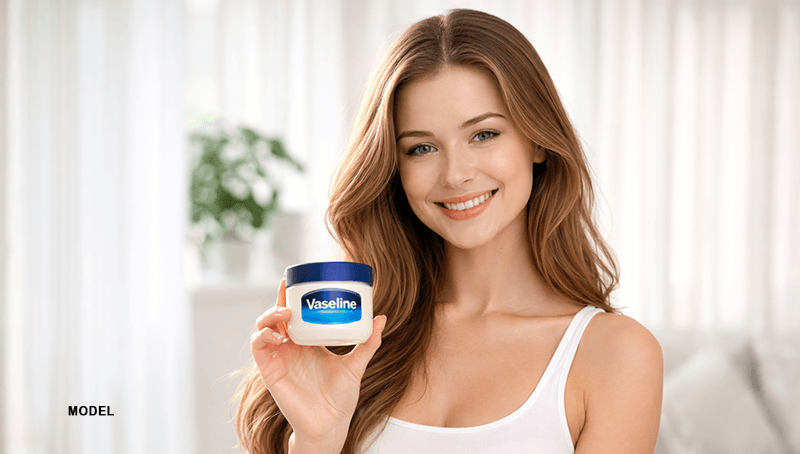
It seems like every week, a new skincare trend takes over social media, but few have gained as much attention as skin slugging. This viral technique, which promises smoother, more hydrated skin, has been shared by influencers and dermatologists alike on TikTok and Instagram. Despite its newfound fame, slugging is not a brand-new innovation. In fact, dermatologists have used similar occlusive methods for decades to protect and repair the skin barrier.
What Is Skin Slugging?
Slugging refers to applying a petrolatum-based occlusive, such as petroleum jelly or a healing ointment, as the final step of your nighttime skincare routine. The goal is to lock in moisture and help strengthen the skin’s natural barrier overnight.
The name comes from the glossy, shiny finish left behind, which some say resembles the slick trail of a slug. While sounding unappealing, this layer of protection helps seal in the products applied beforehand, allowing the skin to better retain moisture and repair itself.
It is important to note that slugging does not add hydration to the skin. Instead, it prevents existing moisture from escaping, which is why it’s best paired with hydrating products such as serums or moisturizers.
How Did Slugging Become Famous?
Although slugging gained popularity in recent years through TikTok and YouTube, the technique has roots in K-beauty (Korean skincare), which emphasizes hydration, gentle care, and skin barrier repair.
When influencers began sharing dramatic before-and-after results, especially for dry or irritated skin, the trend quickly took off. Hashtags like #SluggingSkincare and #SluggingRoutine have since racked up millions of views, transforming an old dermatologic principle into a viral beauty ritual.
How Does Skin Slugging Work?
During sleep, the skin naturally loses water through a process known as transepidermal water loss (TEWL). Environmental factors and exposure to air conditioning or central heating can make this even worse, leaving skin dull, tight, and dehydrated by morning.
Slugging works by applying an occlusive barrier that reduces this water loss:
- Petrolatum, one of the most effective occlusive ingredients, forms a thin film over the skin.
- This barrier traps in the moisture and any active ingredients applied to the skin from previous steps in the routine.
- This minimizes TEWL, helping the skin remain hydrated longer while allowing the skin barrier to repair itself more efficiently overnight.
Dermatologists have long used occlusive dressings to treat dry, compromised, or post-procedure skin. Skin slugging is simply a cosmetic adaptation of that same science.
What Benefits Does Skin Slugging Provide?
When done correctly and on the right skin type, slugging can provide several visible and long-term benefits:
- Enhanced hydration and smoother skin texture
- Improved barrier repair, especially for dry, irritated, or sensitive skin
- Relief from flakiness or peeling due to retinoid use or harsh exfoliation
- A plumper, dewier complexion that reflects light more evenly
- Affordability and accessibility, since products like petroleum jelly are inexpensive and widely available
For many patients, slugging feels like a simple, at-home way to achieve the “glass skin” effect, hydrated, luminous, and healthy-looking skin.
Is Skin Slugging Really Effective?
From a dermatologic standpoint, slugging can be highly effective for the right patient. Petrolatum has been proven to reduce transepidermal water loss by up to 99%, making it one of the most efficient ways to preserve hydration.
However, results depend heavily on skin type and how the technique is used. Those with dry, sensitive, or aging skin often benefit the most. Patients with oily or acne-prone skin, on the other hand, may experience congestion or breakouts if slugging is performed too frequently or layered over comedogenic products.
Potential Side Effects and Drawbacks
Like most skincare trends, slugging can result in several unwanted side effects. While it can be transformative for some, others may find it heavy or irritating.
Common side effects include:
- Clogged pores or breakouts, particularly when applied over thick or oil-based products
- Increased skin irritation if used in combination with strong actives like retinoids, AHAs, or BHAs
- A heavy, greasy feeling, especially in hot or humid climates
- Risk of milia (small white bumps) around delicate areas like the eyes
- Over-occlusion, which can trap sweat, oil, and bacteria under the skin
- Unnecessary use in already well-hydrated skin, which may lead to imbalance
It is important to keep in mind that slugging should complement, not replace, a balanced skincare regimen. The practice will not fix the root cause of dryness or irritation if those issues stem from over-exfoliation, medical conditions, or improper cleansing.
Who Should Try Skin Slugging?
Slugging can be a game changer for individuals with:
- Dry or dehydrated skin that feels tight or flaky
- Sensitive skin prone to redness or irritation
- A compromised skin barrier after exfoliation, retinoid use, or cold weather exposure
- Post-procedure dryness, especially after non-ablative laser treatments or chemical peels
- Mature or thin skin that struggles to retain moisture
For most people, slugging works best as an occasional treatment rather than a nightly ritual. Limiting it to once or twice a week may be enough to maintain soft, hydrated skin.
Who Should Avoid Skin Slugging?
Some skin types and conditions simply will not respond well to heavy occlusion. Avoid or limit slugging if you have:
- Oily or acne-prone skin, as the added barrier can trap sebum and bacteria
- Active breakouts or open wounds, which may become more inflamed under occlusion
- Hot or humid environments, where excess occlusion can lead to sweating and congestion
- Concurrent use of potent actives, such as prescription retinoids, benzoyl peroxide, or exfoliating acids, which can become more irritating when trapped under an occlusive layer
If you fall into one of these categories but still want to try the technique, consider “spot slugging” (applying only to dry patches like cheeks or under-eyes) rather than full-face application.
How to Do Skin Slugging Effectively
If you are curious to try slugging, follow this dermatologist-approved routine for best results:
- Cleanse: Start with a clean face to remove makeup, sunscreen, and debris.
- Apply hydrating products: Use a serum or moisturizer with humectants like hyaluronic acid or ceramides. Avoid strong exfoliants or actives on slugging nights.
- Apply a thin occlusive layer: Use a pea-sized amount of 100% petroleum jelly or a fragrance-free healing ointment. Spread it evenly across the skin, you do not need a goopy thick coat.
- Wait before lying down: Give the product 20–30 minutes to settle to reduce transfer to bedding.
- Morning cleanse: Gently wash your face to remove residue and prevent buildup.
- Adjust frequency: Slug nightly only if your skin is very dry. For most, one to three times a week is sufficient.
- Protect bedding: Use a pillow protector or headband to avoid staining linens.
Dermatologist Tips for Safe Slugging
- Avoid combining slugging with retinoids, acids, or other strong actives.
- Start small with partial-face slugging on areas that feel dry or irritated.
- Choose fragrance-free, non-comedogenic occlusives for best tolerance.
- Consult your dermatologist if dryness persists or if you notice breakouts after starting slugging.
Skin slugging can be an effective way to deeply hydrate the skin and strengthen its natural barrier, when done correctly and on the right skin type. For many, it is a simple, affordable method to achieve the soft, supple, “glowing” looks popularized on social media.
However, slugging not a one-size-fits-all solution. Those with acne-prone or oily skin may find better results using lighter moisturizers or hydrating serums instead. When in doubt, consult your dermatologist for a personalized recommendation.

Helyn Alvarez, MD, FAAD is a board-certified Dermatologist. Dr. Alvarez completed her undergraduate studies at Boston University in Boston, Massachusetts. She earned her medical degree and internship training from Loyola Stritch School of Medicine in Chicago, Illinois, and went on to complete her dermatology residency at the University of Alabama-Birmingham. Passionate about delivering natural-looking results, she is highly trained and experienced in aesthetic dermatology, specializing in advanced cosmetic procedures. Dr. Alvarez excels in injectables, fillers, neuromodulators like Botox, state-of-the-art laser treatments, skin tightening procedures, and non-invasive facial rejuvenation.
Disclaimer: The contents of the Westlake Dermatology website, including text, graphics, and images, are for informational purposes only and are not intended to substitute for direct medical advice from your physician or other qualified professional.