


Sciton ProFractional
Sciton ProFractional® is an advanced fractional laser resurfacing treatment designed to improve acne scars, fine lines, wrinkles, sun damage, uneven texture, and overall skin quality. ProFractional precise microscopic channels in the skin while leaving surrounding tissue intact, stimulating new collagen and supporting faster healing than traditional full-field ablative resurfacing.
The Sciton ProFractional laser is highly customizable, allowing for a range of treatments from lighter rejuvenation or deeper correction, making it an option for patients who want more visible resurfacing without the recovery associated with more aggressive laser options.
What Is Sciton ProFractional?
ProFractional is a fractional ablative laser that uses erbium:YAG technology to remove narrow columns of damaged skin at carefully selected depths. Since only a percentage of the treatment area is resurfaced during each pass, untreated skin remains between the microscopic channels to assist with healing.
This controlled process activates the skin’s natural repair response and encourages collagen remodeling. Treatment depth, density, and intensity can be adjusted based on the concern, treatment area, patient’s skin, and desired downtime.
Before and After Sciton ProFractional
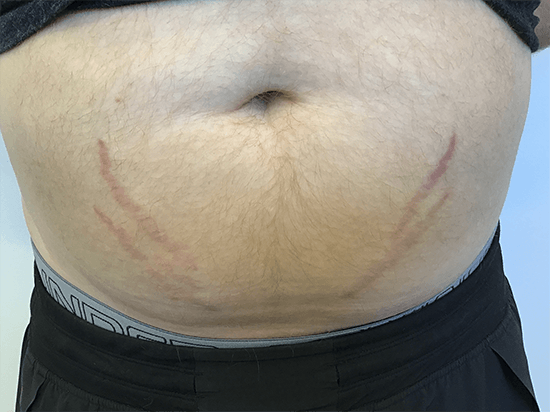 Before
 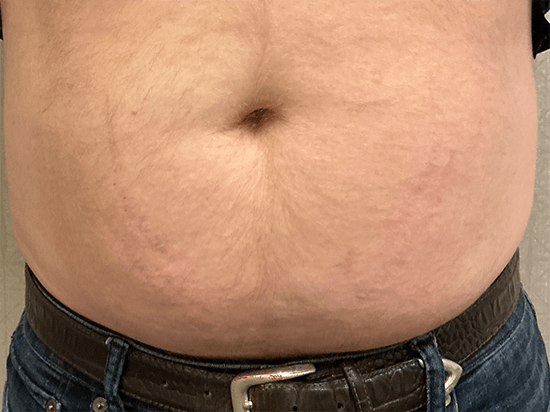 After
After What Does ProFractional Treat?
ProFractional provides wide-ranging benefits and may improve:
- Acne scars and other textural scarring
- Surgical or traumatic scars
- Fine lines and deeper wrinkles
- Rough or uneven skin texture
- Enlarged pores
- Sun damage and uneven pigmentation
- Dull or weathered skin
- Mild crepiness
- Overall skin tone and quality issues
Treatment can be performed on numerous areas including the face, neck, chest, hands, and areas affected by scarring. Delicate skin around the eyes or mouth may also be treated in some cases.
How Does Sciton ProFractional Work?
The laser delivers energy into the skin in a pattern of microscopic channels. These channels remove damaged tissue and trigger a controlled healing response. Surrounding untreated skin helps the area recover while new collagen develops beneath the surface.
As healing and collagen remodeling continue, the skin may appear smoother, firmer, and more even. Conservative settings can provide general rejuvenation, while deeper treatments may be used for acne scars, pronounced texture irregularities, or deeper wrinkles.
Sciton ProFractional Resurfacing vs. Other Resurfacing Laser
Sciton profractional laser can penetrate deeper than Fraxel Dual and produces ablative channels, resulting in 4–7 days of downtime, commonly with crusting, and redness. Because it is ablative, it achieves more significant collagen remodeling per session than non-ablative devices, (fraxel, clear and brilliant) and fewer sessions (2–4) are typically required. The Er:YAG wavelength produces less residual thermal damage than CO₂, which contributes to somewhat faster healing compared to fractional CO₂ at equivalent depth.
Who Is a Good Candidate?
Ideal candidates for ProFractional laser resurfacing are adults in overall good health, who seek to address acne scars, rough texture, fine lines, wrinkles, or sun damage.
ProFractional may not be appropriate for patients with active infection, open wounds, certain medical conditions, or other factors that could interfere with healing. Treatment can be performed on patients of all skin tones. However, individuals with darker skin tones may have a higher risk of pigment changes after any ablative resurfacing treatment.
How is a ProFractional Treatment Performed
Most sessions take approximately 30 to 45 minutes, although timing varies. Each treatment starts with a thorough evaluation of the skin, allowing the provider to customize the session to the patient’s unique needs. The skin is then cleansed, topical numbing medication is usually applied, and protective eyewear is provided. During treatment, the provider guides the ProFractional handpiece over the targeted area, delivering a precise pattern of laser energy into the skin. The device creates microscopic channels at a customized depth and density while leaving areas of surrounding skin untreated to support faster healing and collagen remodeling. Patients may feel warmth, prickling, or a sunburn-like sensation during treatment.
Is There Downtime?
In the days following ProFractional resurfacing, the skin commonly appears red and swollen and may feel warm, tight, or tender. Pinpoint bleeding or light oozing can occur with more intensive settings. As the skin heals it may bronze (slightly darken), flake, peel, or lightly crust; all of which is completely normal.
Most patients look significantly healed within 4-7 days post-procedure, although recovery varies with treatment depth and individual healing. Some degree of pinkness may last longer after deeper resurfacing.
As the skin heals patient should cleanse gently, use recommended moisturizers or healing ointments, and avoid picking, scrubbing, exfoliants, retinoids, and other irritating products until cleared by their provider. Strict sun protection is essential.
How Soon Will I See Results?
Early improvement may become visible once peeling subsides. Many patients notice smoother, brighter skin within the first few weeks, while collagen remodeling continues for several months.
Some patients benefit from one treatment, while acne scars, surgical scars, or deeper wrinkles may require a series. A typical plan may include one to four sessions based on treatment intensity and desired results.
Are Results Permanent?
The results of Sciton ProFractional Resurfacing are dramatic and long-lasting, especially when deep resurfacing is performed for scar revision and collagen remodeling. However, treatment cannot stop natural aging or prevent future sun damage. Patients are encouraged to practice safe sun habits, follow a daily skincare regimen, and undergo periodic maintenance treatment sessions to preserve results overtime.
Are There Side Effects?
Common side effects are mild and can include redness, swelling, tenderness, tightness, itching, peeling, crusting, and temporary darkening or bronzing. All of which resolve on their own without intervention. Less common risks include infection, acne or cold sore flares, prolonged redness, hyperpigmentation, hypopigmentation, and scarring. These risks are minimized with the treatment is performed by an experienced provider and all after care instructions are followed.
Frequently Asked Questions
Is ProFractional ablative or non-ablative?
ProFractional is a fractional ablative erbium laser. It removes tiny columns of tissue while leaving surrounding skin intact to support healing.
Can ProFractional improve acne scars?
Yes. ProFractional can soften acne scars by resurfacing uneven texture and stimulating collagen remodeling. Multiple treatments may be needed depending on scar type and severity.
How much downtime should I expect?
Downtime depends on treatment depth. Lighter treatments may involve several days of redness and flaking, while deeper resurfacing may require a week or longer.
Can ProFractional tighten skin?
Collagen stimulation may produce mild firming, but ProFractional is primarily a resurfacing treatment. It is not a replacement for surgical lifting or procedures intended to treat significant laxity.
When can I wear makeup?
Makeup should not be applied until the skin has healed sufficiently and your provider confirms it is safe.