
Booze And Your Skin: How Alcohol Affects Skin and Facial Aging

Have you ever looked in the mirror after a long night out and noticed puffiness, redness, dryness, or a dull complexion? You’re not imagining it! Alcohol can affect both skin health and skin appearance in a myriad of ways, with some negative effects occurring even after just having one drink.
In the short term, alcohol can contribute to dehydration, facial flushing, and a tired, less radiant appearance. Over time, frequent or heavier alcohol use may worsen ongoing redness, aggravate conditions like rosacea and psoriasis, and contribute to an older-looking complexion.
While this does not mean every person who drinks alcohol will develop skin problems, alcohol is one well known lifestyle factor that can influence how your skin looks and feels.
What Does Alcohol Do to Your Skin?
Alcohol can affect the skin in several different ways. It can leave skin looking drier and dull, trigger facial redness, make the face look puffier or more tired, and worsen certain inflammatory skin conditions in people who are already prone to them. For some people, those effects are occasional and temporary. For others, especially those with rosacea or psoriasis, alcohol can become a repeat trigger that makes skin concerns harder to control.
Short-Term Effects of Alcohol on the Face and Skin
Dry, Dehydrated-Looking Skin
One of the most noticeable short-term effects of alcohol is dehydration. When your body is dehydrated, your skin can look less plump, less fresh, and less luminous. Fine lines may also seem more noticeable when skin is dry. This is one reason many people feel like they look more tired or older the day after drinking.
Dehydration does not necessarily mean alcohol has permanently damaged your skin after one night out. But repeated dehydration can make your skin look consistently less healthy over time, especially if you are also not moisturizing properly, not wearing sunscreen, or already have dry or sensitive skin.
Redness and Flushing
Alcohol can also cause facial redness or flushing. In some cases, that redness is mild and temporary. In others, it is much more noticeable. Even in people who do not have a formal diagnosis of rosacea, drinking can trigger visible redness and make the complexion look more uneven.
This is especially important for people with rosacea, since alcohol is a well-known trigger for flare-ups. If you already struggle with facial redness, alcohol may be making symptoms worse, even if you have not fully connected the dots yet.
Blood Vessel Dilation
When you drink alcohol the blood vessels just beneath the surface of your skin dilate, causing redness or flushing and worsening the appearance of spider veins. For those who abuse alcohol, this effect can become permanent, giving a very uneven, unhealthy-looking complexion.
Puffiness and a Tired Appearance
Many people also notice facial puffiness after drinking, particularly around the eyes and cheeks. Alcohol can leave the face looking swollen, less defined, and generally more tired the next day.
Poor sleep (a companion for many tying one on) can make this even more noticeable. Even if you get enough hours in bed, sleep after drinking is not always as restorative, and that can show up on your face the next morning.
A Duller Complexion the Next Day
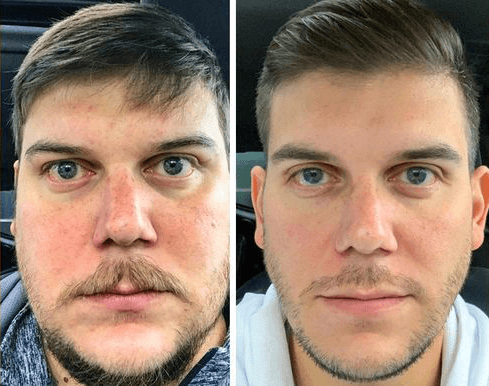
Some will notice that their skin looks rougher, less glowy, or more uneven after drinking. Due to a combination of dehydration and inflammation., many people describe the phenomenon as “hangover face,” where the skin appears more dry, puffy, and red than usual.
© Ateepeemadeofpeepee / reddit
Can Alcohol Really Make You Look Older?
Alcohol is not the only factor that affects skin aging, but it can contribute to an older-looking appearance over time. Repeated dehydration, more noticeable redness, visible blood vessels, inflammation, and worsening of chronic skin conditions can all make the skin look less even, less healthy, and less youthful.
That does not mean an occasional drink will suddenly age your face. But if drinking is frequent, heavy, or paired with other habits that are hard on the skin, such as smoking, poor sleep, or inconsistent skincare, it can absolutely influence your overall facial appearance.
How Alcohol Can Worsen Chronic Skin Conditions
Rosacea
Rosacea is one of the biggest reasons alcohol and skin are so often discussed together. Alcohol is a common rosacea trigger, and many patients notice more flushing, visible redness, or flare-ups after drinking.
If you are someone who already struggles with facial redness, frequent flushing, or sensitivity, alcohol may be making your symptoms worse, even if you have not been formally diagnosed yet.
Psoriasis
Alcohol may also worsen psoriasis in some people. If you have psoriasis and notice that your skin tends to flare after drinking, alcohol could be one of your personal triggers.
This is one reason it can be helpful to pay attention to patterns. What affects one person may not affect another in exactly the same way.
Sensitive or Redness-Prone Skin
Even if you do not have rosacea or psoriasis, alcohol may still affect you if your skin is naturally sensitive or prone to redness. Some people simply flush more easily, react more strongly to inflammatory triggers, or notice that their skin barrier feels more disrupted after drinking.
If your skin tends to sting, burn, or become visibly irritated after alcohol, that pattern is worth paying attention to.
Long-Term Effects of Alcohol on the Face and Skin
Can regular drinking change how the face looks over time, beyond temporary redness or next-day puffiness? In many cases, yes.
While occasional alcohol use may cause short-lived changes, consistent or heavier drinking can have a more lasting effect on the skin and overall facial appearance. This is largely because long-term alcohol use is associated with repeated dehydration, ongoing inflammation, recurrent flushing, and worsening of chronic skin concerns. Over time, those effects can become more visible and harder for the skin to fully bounce back from.
Aged Skin: Wrinkles & Texture Issues
One major issue is dehydration. When the skin is repeatedly deprived of adequate hydration, it can start to look less plump, less smooth, and less radiant. Fine lines and wrinkles may appear more noticeable, and the complexion can take on a drier, more tired, or prematurely aged appearance. While alcohol is certainly not the only cause of wrinkles, repeated dehydration can make early lines and skin texture changes stand out more.
Permanent Redness and Flushing
Frequent flushing is another concern. Alcohol can repeatedly dilate blood vessels near the surface of the skin, especially in people who are prone to redness or rosacea. At first, that redness may come and go. Over time, however, repeated flushing can contribute to more persistent background redness and the development of visible broken capillaries, also called telangiectasias, particularly around the nose and cheeks. In some cases, these changes can become long-lasting and much harder to reverse without professional treatment.
Puffiness and a Less Defined Facial Appearance
Alcohol can also contribute to chronic inflammation, which may leave the skin looking more uneven, irritated, or worn down over time. Some people notice that their face looks consistently puffier or duller, while others develop a blotchy complexion or more obvious redness. If alcohol is also triggering conditions like rosacea or psoriasis, those flare-ups can further affect the skin’s overall appearance.
Does the Type of Alcohol You Drink Matter?
Some people feel like certain drinks affect their skin more than others. Patients with rosacea, for example, often notice that some types of alcohol seem more likely to trigger flushing.
That said, there is no universally “skin-friendly” alcoholic drink. For most people, the bigger issue is the overall amount consumed, how often they drink, and how their own body responds. Sugary mixers and dehydration may also make the next-day effects feel worse, even if the alcohol itself is not the only factor.
How to Minimize Alcohol’s Effects on Your Skin
If you drink occasionally and want to be kinder to your skin, a few simple habits can help.
Stay Hydrated
Try to drink water before, during, and after alcohol consumption. This will not erase every effect of alcohol, but it can help reduce some of the dehydration that leaves skin looking dull and tired.
Use a Gentle Skincare Routine
After drinking, stick with a gentle cleanser and a good moisturizer. If your skin already feels dry or sensitive, avoid over-exfoliating or using harsh products the next day.
Wear Sunscreen Daily
Sun exposure is one of the biggest external contributors to skin aging and redness. If you are already dealing with inflammation or flushing, sunscreen becomes even more important.
Pay Attention to Patterns
If you have rosacea, psoriasis, or generally reactive skin, start noticing whether certain drinks seem to trigger your symptoms more than others. A pattern may become clear over time.
Consider Cutting Back if You Notice Repeat Skin Changes
If alcohol regularly leaves you looking puffy, red, irritated, or dull, cutting back may help your skin look and feel better. Sometimes the connection is more obvious than people realize.
Will Skin Appearance Improve If You Stop Drinking?
Many people notice improvement in their skin when they reduce how much they drink. Depending on the person, that may mean less dryness, less puffiness, less redness, and a more rested overall appearance. For people with rosacea or psoriasis, cutting back may also help reduce flare triggers.
Results are not always dramatic overnight, and alcohol is rarely the only factor affecting the skin. But reducing intake can be a positive step if you frequently notice flushing, dehydration, or skin flare-ups after drinking.
When Alcohol-Related Skin Changes Should Be Evaluated by a Dermatologist
Occasional puffiness or dryness after a night out is one thing. Persistent redness, worsening rosacea, visible blood vessels, chronic flushing, or recurring flare-ups are another.
If your skin symptoms are frequent, bothersome, or not improving, it may be time to see a dermatologist. A professional evaluation can help determine whether alcohol is the main trigger, or whether something else such as rosacea, eczema, psoriasis, or another skin condition is contributing.

Michael Streitmann, MD is dually board certified by the American Board of Plastic Surgery and the American Board of Otolaryngology (Ear, Nose, and Throat Surgery). He completed a residency in ENT at the Medical College of Virginia in Richmond, Virginia. His training included plastic and reconstructive surgery of the face and neck, which led to an interest in plastic surgery of the entire body. Dr. Streitmann performs primary and revision surgery of the face, breast, and body, including procedures following massive weight loss. He also performs excision of skin cancers as well as complex reconstructions of the resultant defects.
Disclaimer: The contents of the Westlake Dermatology website, including text, graphics, and images, are for informational purposes only and are not intended to substitute for direct medical advice from your physician or other qualified professional.