
Pillow Face Prevention: How Expert Injectors Keep Fillers Natural
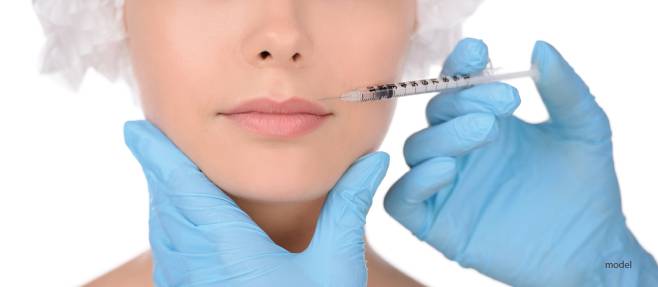
Dermal fillers are one of the most effective non-surgical facial rejuvenation treatment options. Popular fillers like Juvederm and Restylane can instantly restore lost volume, smooth lines, and subtly enhance natural features, turning back the effects of aging. When performed correctly, filler treatments create beautiful results that are harmonious with the rest of the face.
However, you may have come across the term “pillow face,” a description of the puffy, overfilled, overdone look that can result from excessive filler usage or poorly placed filler. This unnatural appearance has been highlighted on social media, sometimes leading prospective patients to worry that fillers always create a distorted look.
In reality, pillow face is completely preventable and treatable. With an experienced injector and the right approach, fillers remain a safe, effective way to achieve natural facial rejuvenation. In this post, we will discuss how prevalent pillow face really is, what causes it, and simple ways to avoid it.
What Is Pillow Face?
Pillow face refers to an unnaturally swollen, rounded appearance caused by too much filler or filler in the wrong place. Simply put, it’s looking overdone to the point of unnatural. Instead of appearing youthful and rejuvenated, the face appears puffy or distorted, as if it is inflated beyond its natural balance.
The term pillow face makes sense given the typical characteristics of a pillow: smooth, bulging, and lacking natural contour. The most common areas affected include:
- Cheeks: Overfilled cheeks can look ballooned, pushing the midface outward unnaturally.
- Under eyes: Too much filler or the wrong product beneath thin skin can create puffiness or shadowing.
- Lips: Excessive lip filler leads to an exaggerated, shelf-like look instead of soft, balanced volume.
Fillers are intended to enhance, not overwhelm, natural facial features. The goal should always be subtle refinement, not transformation into a caricature of oneself. Pillow face is the result of straying from that principle.
What Causes Pillow Face?
Several factors can contribute to causing pillow face, but most causes revolve around excess filler usage, poor injection technique, or product mismanagement:
- Overfilling: The most common cause of pillow face is simply using too much filler. Large amounts injected at once or repeated filler sessions without allowing older product to dissolve can create unnatural fullness. Instead of blending with facial structure, the filler overwhelms it.
- Wrong filler choice: Not all fillers are created equal. There are many different types of fillers that are ideal for use in different facial areas for to address different circumstances. Dense, heavy fillers placed under the delicate under-eye skin, for example, can create puffiness and visible lumps. Matching the filler’s characteristics to the treatment area is critical to avoid unnatural results.
- Poor placement or technique: Even the right filler can look wrong if injected incorrectly. Placement too close to the skin surface, or in the wrong tissue plane, may create bulges, irregularities, or shadowing. This is why injector experience matters as much as product selection.
- Filler migration: In some cases, filler shifts slightly outside the original injection site over time. This can lead to uneven contours or puffiness in nearby areas, adding to the pillow-like appearance.
- Natural aging changes: As the face continues to age, skin thins and soft tissue shifts. Filler that once looked balanced may begin to appear too prominent as surrounding support structures change. What looks natural in year one may need to be adjusted or dissolved by year three.
How to Prevent Pillow Face
The best way to avoid pillow face is by choosing an experienced injector and approaching filler usage with restraint.
- Choose an experienced provider: Board-certified dermatologists and plastic surgeons understand both the art and science of facial anatomy. Their training allows them to place filler safely and in amounts that respect natural proportions. Experienced injectors will also develop and implement a long-term treatment plan preventing a buildup of filler due to too many treatments. Trusting their judgement is key to preventing overfilling!
- Prioritize subtlety: The best filler results are the ones that do not announce themselves. Modest amounts placed strategically can refresh the appearance without making it obvious that augmentation was performed. Patients should think of optimal filler usage in terms of small enhancements over time rather than dramatic volume in one visit.
- Wait Before Adding More filler: The true results of any filler treatment take time to fully manifest. In fact, it can take up to two weeks for swelling to resolve and the product to fully integrate. Some patients are tempted to “top off” right away, but waiting ensures you are assessing the true result. Remember that it’s always simpler to add more filler than to take it away.
- Use the right filler for the right area: Each filler has unique properties, such as density, lift capacity, and spread. Lightweight, soft fillers are ideal for delicate areas like under the eyes, while firmer gels are better for structure in the cheeks or jawline. Proper matching prevents the heavy, bloated look of pillow face. This is another reason to choose an experienced injector who has experience using a variety of different types of fillers.
- Schedule regular check-ins: Continuity of care is key. By returning to the same provider, you avoid unnecessary layering of filler and ensure someone familiar with your treatment history is guiding your plan. This prevents the slow buildup of excess product over time.
- Dissolve when necessary: Old or migrated filler does not need to be permanent. If balance has been lost, hyaluronidase can safely dissolve hyaluronic acid filler, allowing your injector to reset and restore natural proportions.
Can Pillow Face Be Treated?
For patients who feel they already have pillow face, there are several effective treatment options:
- Natural fade – wait it out: Most dermal fillers are temporary, breaking down gradually over 6 to 24 months depending on the product and placement. Mild cases of puffiness or imbalance may improve simply by giving the filler time to dissolve on its own.
- Hyaluronidase injections: This enzyme specifically targets hyaluronic acid-based fillers, breaking them down safely within hours to days. Dissolving can be done in stages, gradually restoring natural contour without sudden changes. Patients often ask when they can refill after dissolving; the answer is typically a few weeks, once the tissue has healed and baseline anatomy is reassessed.
- Switching approaches: In some cases, it may make sense to move away from traditional fillers. Alternatives include collagen-stimulating injectables like Sculptra or Radiesse, which gradually restore structure by encouraging your body’s own collagen production. Non-injectable options such as lasers, radiofrequency (RF) microneedling, and ultrasound skin tightening can also improve quality and firmness without adding bulk.
The key is individualized planning. A skilled injector can determine whether to wait, dissolve, or try alternative therapies depending on the extent of pillow face and the patient’s goals.
Conclusion
Pillow face is one of the most common concerns patients mention when considering filler treatments, but it is far from inevitable. In most cases, it is the result of too much filler, poor placement, or product mismanagement, all of which can be avoided by choosing an experienced injector who values balance and subtlety.
Preventing pillow face starts with a thoughtful approach: using the right filler in the right amount, respecting facial anatomy, and checking in regularly to ensure results remain natural over time. Even if pillow face does occur, modern techniques like filler dissolving and alternative therapies make it possible to restore a natural appearance quickly and safely.
With the right treatment plan and provider, dermal fillers remain one of the most reliable tools for refreshing the face while preserving your authentic look.

Helyn Alvarez, MD, FAAD is a board-certified Dermatologist. Dr. Alvarez completed her undergraduate studies at Boston University in Boston, Massachusetts. She earned her medical degree and internship training from Loyola Stritch School of Medicine in Chicago, Illinois, and went on to complete her dermatology residency at the University of Alabama-Birmingham. Passionate about delivering natural-looking results, she is highly trained and experienced in aesthetic dermatology, specializing in advanced cosmetic procedures. Dr. Alvarez excels in injectables, fillers, neuromodulators like Botox, state-of-the-art laser treatments, skin tightening procedures, and non-invasive facial rejuvenation.
Disclaimer: The contents of the Westlake Dermatology website, including text, graphics, and images, are for informational purposes only and are not intended to substitute for direct medical advice from your physician or other qualified professional.