

Top 20 Rosacea Triggers (and How to Avoid Them)

Rosacea is a chronic inflammatory skin condition that causes several unwanted issues including facial redness, visible blood vessels, flushing, and acne-like bumps most commonly on the nose, cheeks, forehead, and chin. While the exact cause of rosacea remains unknown, many patients notice that their symptoms come and go depending on certain external or internal factors. These “triggers” (factors) do not cause rosacea directly, but they can spark uncomfortable and sometimes embarrassing symptom flare-ups. Rosacea can develop spontaneously, and even if you did not deal with acne during your teenage years, you can still be affected by rosacea later on in life (coming from someone who developed rosacea in her 30s).
The good news? By identifying your personal triggers and learning how to minimize them, you can reduce the frequency and severity of flares. This post covers the 20 most common rosacea triggers, practical ways to avoid them, and a list of my favorite OTC products to manage rosacea!
Understanding Rosacea Triggers
What Are Triggers?
Triggers are any external or internal factors that make rosacea symptoms worse. It is important to understand that these triggers do not cause rosacea, but they can make redness, flushing, and bumps much more noticeable. Rosacea triggers, like psoriasis or eczema triggers, can come in many forms including dietary factors, exposure to certain skin care or cleaning products, and even changes in temperature or the weather.
Why Triggers Matter
Avoiding or minimizing these triggers can make a big difference in day-to-day comfort for patients. Even small adjustments, like skipping a hot drink or wearing sunscreen, can help keep flare-ups under control.
The Importance of Tracking
One aspect of Rosacea that makes management difficult is that every patient’s triggers are unique. Keeping a simple journal of when flares happen and what you were exposed to (food, weather, activities, emotions) can help you recognize patterns over time.
Top 20 Rosacea Triggers (and How to Minimize Them)
There are literally thousands of different potential rosacea triggers, thus it is impossible to discuss all of them in a single post. There are, however, some extremely common rosacea triggers that affect a wide swath of patients. These are the 20 most common rosacea triggers:
1. Sun Exposure
What It Is: Sunlight is one of the most well-documented rosacea triggers. Even brief time outdoors without protection can worsen redness and irritation in sensitive skin.
Why It’s a Problem: UV rays penetrate the skin, causing inflammation, blood vessel dilation, and long-term damage that intensifies rosacea symptoms. Flare-ups often appear quickly after sun exposure.
How to Minimize It: Apply a broad-spectrum, mineral-based sunscreen (SPF 30 or higher) every morning, wear a wide-brimmed hat, and try to limit direct sun during peak hours. Seeking shade whenever possible also helps. Scroll down to see my favorite sunscreen recommendation!
2. Hot Weather
What It Is: High outdoor temperatures or heat waves can be challenging for rosacea-prone skin. Many patients report more flare-ups in summer (which can be sometimes year-round in TX!).
Why It’s a Problem: Heat causes blood vessels to expand, which makes flushing and redness much more noticeable. Prolonged exposure can worsen inflammation.
How to Minimize It: Stay in cooler environments, drink plenty of water, and carry cooling facial sprays. Lightweight clothing and staying indoors during the hottest parts of the day can also help.
3. Cold Weather & Wind
What It Is: Freezing temperatures and windy conditions can be harsh on skin. Winters often bring increased dryness.
Why It’s a Problem: Cold and wind weaken the skin’s protective barrier, leaving it more prone to irritation, redness, and flare-ups. The constant temperature shift between outdoors and heated indoors also stresses the skin.
How to Minimize It: Protect your face with scarves or face coverings, apply a nourishing moisturizer before going outside, and use a humidifier indoors to prevent dryness. Thick skin protectant creams can help protect against this dryness – scroll down to see my favorite products!
4. Stress and Anxiety
What It Is: Emotional stress, anxiety, or sudden mood changes are internal triggers. Even positive excitement can sometimes spark a flare.
Why It’s a Problem: Stress hormones, particularly cortisol, increase blood flow to the skin and dilate facial blood vessels, worsening flushing. Chronic stress can make flares more frequent.
How to Minimize It: Practice relaxation techniques like deep breathing, yoga, or meditation. Prioritizing sleep and scheduling breaks during stressful periods can also reduce flare severity.
5. Spicy Foods
What It Is: Dishes made with hot peppers, chili, curry, or strong spices.
Why It’s a Problem: Spicy foods trigger the nervous system, causing a warming effect in the face that dilates blood vessels and brings on flushing. Even mild spice can affect sensitive individuals.
How to Minimize It: Choose milder seasonings or ask for reduced spice levels when dining out. Track your personal tolerance, some may handle light spice but not very hot dishes.
6. Alcohol (Especially Red Wine)
What It Is: All types of alcohol can act as a trigger, though red wine is the most common culprit.
Why It’s a Problem: Alcohol dilates blood vessels and increases circulation to the skin, which can cause immediate redness and flushing. Red wine also contains histamines and tannins that worsen symptoms.
How to Minimize It: Limit alcohol consumption or switch to drinks that may be less problematic, such as white wine or clear spirits. Always track your personal reaction to different types.
7. Hot Drinks (Coffee, Tea, Cocoa)
What It Is: Any beverage consumed at a very warm temperature.
Why It’s a Problem: The heat, not the caffeine itself, is usually what causes flushing and redness. Holding a hot cup near the face can also create localized warming.
How to Minimize It: Allow drinks to cool before sipping, or choose iced versions instead. Use insulated mugs to prevent holding the heat close to your skin.
8. Caffeine
What It Is: Found in coffee, tea, soda, and energy drinks.
Why It’s a Problem: In some individuals, caffeine stimulates the nervous system in ways that can increase flushing and facial warmth. For others, it worsens rosacea indirectly by affecting sleep or stress levels.
How to Minimize It: Reduce caffeine gradually to see if your symptoms improve. Opt for decaf alternatives or limit intake to mornings only.
9. Heavy Exercise
What It Is: Strenuous workouts such as running, HIIT, or hot yoga.
Why It’s a Problem: Physical exertion raises body temperature and heart rate, which increases blood flow to the skin and leads to redness. Sweating can further irritate sensitive skin.
How to Minimize It: Exercise in a cool environment, stay hydrated, and take breaks to cool down. Low-impact activities like swimming, Pilates, or walking may be gentler alternatives.
10. Certain Skin Care Ingredients
What It Is: Products containing alcohol, witch hazel, menthol, or heavy fragrance.
Why It’s a Problem: These ingredients strip or irritate the skin barrier, making redness and sensitivity worse. Strong anti-aging products may also be too harsh for rosacea-prone skin.
How to Minimize It: Choose products labeled “fragrance-free” and “for sensitive skin.” Stick with gentle, hydrating cleansers and avoid unnecessary actives unless prescribed.
11. Harsh Cleansing or Over-Exfoliation
What It Is: Using rough scrubs, stiff brushes, or frequent chemical exfoliants.
Why It’s a Problem: Over-exfoliation damages the protective barrier and exposes nerve endings, worsening burning and redness. It can also leave skin more reactive to triggers.
How to Minimize It: Cleanse gently twice daily with your hands or a soft cloth. Limit exfoliation to once weekly (or less) and avoid gritty scrubs altogether. Try to avoid exfoliating ingredients like glycolic acid or salicylic acid.
12. Saunas and Hot Baths
What It Is: Exposure to extreme heat in spas, saunas, hot tubs, or very hot baths.
Why It’s a Problem: Prolonged heat leads to rapid vessel dilation, making flare-ups almost immediate. The combination of heat and steam worsens inflammation.
How to Minimize It: Keep water lukewarm when bathing, limit time in hot environments, and rinse with cool water afterward to calm skin.
13. Humidity and Indoor Heat
What It Is: Warm, stuffy environments with little air circulation.
Why It’s a Problem: Overheating indoors can trigger flushing similar to hot weather. Dry heated air in winter may also dehydrate skin.
How to Minimize It: Use fans, keep rooms well-ventilated, and dress in breathable layers. A humidifier can balance indoor air moisture.
14. Menopause and Hormonal Fluctuations
What It Is: Natural hormonal changes during menopause or menstrual cycles.
Why It’s a Problem: Menopause affects the skin in numerous ways. Hot flashes mimic rosacea flare-ups, and hormone shifts can heighten skin sensitivity. Some patients also notice worsening redness around their cycle.
How to Minimize It: Work with your physician on managing hormonal changes. Cooling techniques like layered clothing and cold compresses can reduce discomfort.
15. Medications That Dilate Blood Vessels
What It Is: Certain drugs such as blood pressure medications, niacin, or long-term topical steroids.
Why It’s a Problem: These medicines relax or expand blood vessels, directly worsening flushing. Topical steroids can thin the skin, making it more reactive.
How to Minimize It: Never stop medication on your own. Instead, discuss alternatives or adjustments with your doctor. Dermatologists may suggest topical treatments to counteract the side effects.
16. Dairy Products
What It Is: Foods like milk, cheese, sour cream, or yogurt.
Why It’s a Problem: Dairy can promote inflammation and, in some patients, worsens rosacea flare-ups. The high-fat content in some dairy may also increase sensitivity.
How to Minimize It: Track symptoms after eating dairy to confirm whether it’s a personal trigger. Plant-based alternatives like almond or oat milk may be better tolerated.
17. Chocolate
What It Is: Both milk and dark varieties of chocolate.
Why It’s a Problem: Contains caffeine and theobromine, both of which can stimulate the nervous system and increase flushing. Sugar content can also contribute to inflammation.
How to Minimize It: Limit portions and choose alternatives like carob or low-sugar snacks. Note whether dark or milk chocolate affects you differently.
18. Fragrances
What It Is: Perfumes, colognes, scented candles, and heavily fragranced products.
Why It’s a Problem: Fragrance chemicals are a common irritant for sensitive skin. Airborne scents can also cause flare-ups if inhaled in close proximity.
How to Minimize It: Choose fragrance-free personal care and cleaning products. Avoid heavily scented environments when possible.
19. Dust and Pollen Allergens
What It Is: Seasonal pollen, pet dander, and household dust.
Why It’s a Problem: Allergic reactions cause skin inflammation and itching, which worsen rosacea symptoms. Irritated eyes and nose can further aggravate facial redness.
How to Minimize It: Keep windows closed during pollen season, use HEPA filters indoors, and shower after spending time outdoors. Regular cleaning reduces dust exposure. Taking a daily antihistamine for allergy symptoms can also help.
20. Demodex Mites or Skin Infections
What It Is: Tiny mites naturally found on human skin that sometimes overgrow in rosacea patients and cause pus-filled bumps.
Why It’s a Problem: An overgrowth of mites or secondary skin infections can trigger inflammation, bumps, and worsening redness. This may be especially true in patients with ocular rosacea.
How to Minimize It: See a dermatologist for diagnosis and treatment. Prescription medications can reduce mite populations and calm the skin effectively.
Tips for Managing Rosacea Long-Term
Identify Your Unique Triggers:
Rosacea triggers can vary widely from person to person, so what affects one patient may not bother another. Keeping a simple diary of flare-ups (including details about foods, activities, weather, and stress levels) can help you connect patterns over time. Once identified, avoiding or limiting your personal triggers is one of the most effective ways to prevent flare-ups.
Create a Rosacea-Safe Routine:
A gentle skincare routine is essential for keeping symptoms under control. Choose products that are fragrance-free, alcohol-free, and designed for sensitive skin to reduce irritation. Daily sun protection with a mineral-based SPF can help prevent UV-related flare-ups and protect your skin’s barrier.
Work with a Dermatologist:
While lifestyle changes help, many patients need medical treatment for lasting relief. Dermatologists can prescribe topical medications, oral therapies, or in-office procedures such as laser or light treatments to target persistent redness. Partnering with a professional ensures you have a customized plan that evolves with your skin’s needs.
When to Seek Medical Advice
See a dermatologist if your rosacea is worsening, not responding to home care, or significantly affecting your quality of life. Prescription treatments, including prescription topical creams, oral medications, and in-office laser therapies, can provide long-lasting relief.
Rosacea may not have a cure, but understanding your unique triggers is one of the most effective ways to reduce flare-ups. By avoiding common triggers, building a gentle skincare routine, and working closely with a dermatologist, you can keep symptoms under control and protect your skin health.
My Personal Experience
Having developed rosacea a few years ago, I’ve found my triggers to be numerous: caffeine, hot drinks, spicy food, and chocolate, and I don’t plan on giving up my hot coffee or chocolate anytime soon! Avoiding triggers can sometimes be unrealistic, but there are several ways to address this with OTC products (see below) and prescription medications recommended by your dermatologist.
Dr. Shah’s Favorite Rosacea Recommendations
Sunscreen:
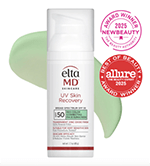
Elta MD UV Skin Recovery – Red Color Correcting Face Sunscreen (SPF 50)
Water Spray:
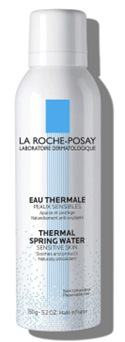
La Roche-Posay Thermal Spring Water
Skin Protectant for Dry/Sensitive Skin:
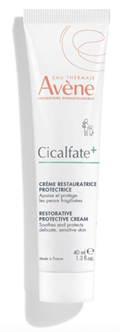
Avene Cicalfate Restorative Protective Cream
Azelaic Acid (helps with redness and inflammation):
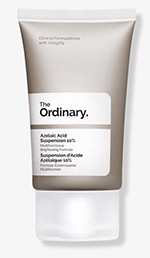
The Ordinary Azelaic Acid Suspension 10%
Green Color Correcting Concealer:
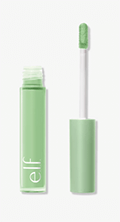
e.l.f. Green Camo Color Corrector

Dr. Radhika Shah is a Board-Certified Dermatologist with expertise in medical, pediatric, surgical, and cosmetic dermatology, with a special focus on complex skin disease and its psychological impact. A native Texan, she completed her undergraduate, graduate, and medical training across respected Texas institutions, ultimately serving as Chief Resident during her dermatology residency at Baylor Scott & White. Dr. Shah is also an accomplished medical writer who has contributed textbook chapters and published research in leading dermatology journals. She is dedicated to delivering thorough, compassionate care and tailoring treatment plans to each patient’s unique needs. Dr. Shah is an active member of the American Academy of Dermatology and other professional societies.
Disclaimer: The contents of the Westlake Dermatology website, including text, graphics, and images, are for informational purposes only and are not intended to substitute for direct medical advice from your physician or other qualified professional.