

Estrogen Creams: Can Estradiol Really Improve Aging Skin?
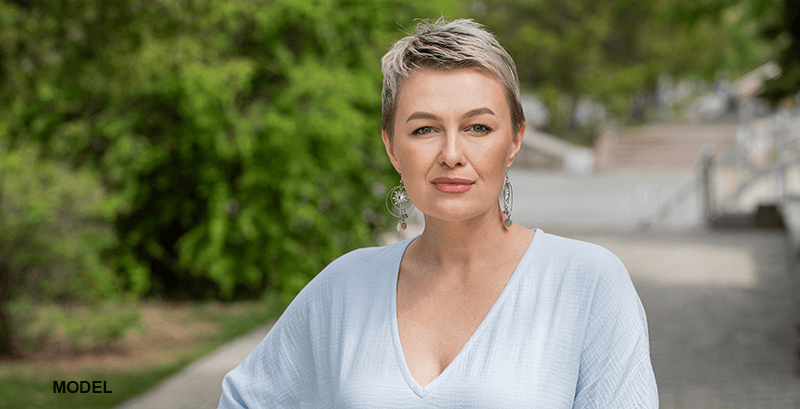
Hormones play a vital role in both the health and appearance of the skin. As estrogen levels decline with age, particularly during and after menopause, many people notice changes in their skin such as dryness, thinning, and increased wrinkles.
Prescription topical estrogen creams containing ingredients like estriol or estradiol have been garnering recent attention for their potential to reverse the impact of declining estrogen. With claims that they can restore skin thickness, improve elasticity, and reduce wrinkles. But how well do these treatments actually work, and are they appropriate for cosmetic use?
In this post, we’ll explore topical estrogen creams for skin care, how they may benefit the skin, what research shows, and how they compare to other skin treatments.
What Are Topical Estrogen Creams?
Topical estrogen creams are prescription medications that contain forms of the hormone estrogen. Two of the most commonly discussed types in skincare include:
- Estradiol: a potent form of estrogen that naturally occurs in the body
- Estriol: a weaker form of estrogen often used in compounded hormone creams
These creams are typically prescribed for medical conditions related to hormone deficiency, such as menopausal symptoms or vaginal atrophy. However, some formulations may be applied to the face or skin in an attempt to improve visible signs of aging.
Unlike typical cosmetic ingredients, topical estrogen products influence skin through hormonal pathways rather than simple hydration or exfoliation.
In the United States, both estradiol and estriol are prescription-only hormones. Estradiol is available in FDA-approved hormone therapies, while estriol is typically dispensed through compounding pharmacies. Neither ingredient is considered a standard over-the-counter skincare treatment.
How Does Estrogen Really Affect the Skin?
Estrogen plays a significant role in maintaining healthy skin structure.
When estrogen levels are adequate, the hormone helps support:
- Collagen production, which keeps skin firm and resilient
- Skin thickness within the dermis
- Elasticity and strength of connective tissue
- Hydration and barrier function
- Wound healing and skin repair
As estrogen levels decline during menopause, the skin undergoes noticeable structural changes. Research suggests that up to 30% of skin collagen may be lost within the first five years after menopause, followed by continued gradual decline over time. This reduction in collagen contributes to thinner skin, increased dryness, reduced elasticity, and the development of wrinkles.
Does Topical Estrogen for Skin Care Actually Work?
Products containing estriol or estradiol are often marketed for several potential skin benefits, with claims ranging from improving sagging skin to fully eradicating deep wrinkles
There is some scientific evidence suggesting that estrogen can improve certain skin parameters. Several studies have shown that topical estrogen applied to the skin may:
- Increase collagen levels in the dermis
- Improve skin thickness
- Reduce fine wrinkles
- Improve skin hydration
It is important to note that these effects have been observed primarily in postmenopausal individuals experiencing estrogen deficiency.
For example, a study published in the British Medical Journal found that estrogen therapy via estradiol improved skin thickness and elasticity in postmenopausal women. Another clinical study reported improvements in dermal collagen content and skin elasticity after topical estrogen treatment.
More recent reviews in dermatology literature also confirm that estrogen plays an important role in maintaining collagen levels and skin structure.
There are, however, some important limitations to these studies. Many studies are relatively small and vary in methodology. In addition, topical estrogen may be absorbed through the skin and enter the bloodstream to some degree.
Because estrogen is a biologically active hormone, long-term cosmetic use also raises safety considerations that must be evaluated carefully. For this reason, topical estrogen creams should be used under medical supervision rather than as routine skincare products.
Who May Be a Good Candidate?
Topical estrogen therapy for skin is most commonly considered for postmenopausal individuals experiencing hormone-related skin changes.
Signs that may be associated with estrogen decline include:
- Thinning skin
- Increased dryness
- Reduced skin elasticity
- More visible wrinkles
Patients already undergoing hormone therapy or experiencing significant menopausal symptoms may discuss topical estrogen options with their physician.
Who Should Avoid Estrogen Creams?
However, estrogen creams are not appropriate for everyone. Individuals with a history of estrogen-sensitive cancers, clotting disorders, or other hormone-related medical conditions may not be candidates.
Since estrogen affects multiple body systems, treatment decisions should always be made in consultation with a qualified healthcare provider.
Are There Risks or Downsides?
The biggest difference between topical estrogen and most skincare ingredients is that estrogen is a bioactive hormone. Even when applied to the skin, it may be absorbed into the bloodstream to some degree. Potential concerns may include:
- Hormonal side effects
- Interactions with other medications or hormone therapies
- Risks for individuals with hormone-sensitive medical conditions
For this reason, topical estrogen is not generally recommended as a casual anti-aging skincare treatment.
Are There Alternatives That Provide Similar Benefits?
There are several well-established skincare treatments can improve many of the same concerns without introducing hormones. Better alternatives include retinoids, growth factors, regular exfoliation, and professional treatments like microneedling and laser resurfacing.
Retinoids
Retinoids are among the most well-studied anti-aging ingredients. They stimulate collagen production, improve skin texture, and reduce fine lines over time.
Peptides and Growth Factors
These ingredients support collagen production and skin repair pathways, helping improve firmness and overall skin quality.
Chemical Exfoliants
Alpha hydroxy acids and similar exfoliating ingredients improve skin texture, brightness, and hydration.
Professional In-Office Treatments
In-office procedures can provide more noticeable improvements in skin quality and collagen stimulation, including:
- Microneedling
- Laser resurfacing
- Radiofrequency treatments
- Sculptra (injectable collagen stimulator)
These treatments address structural changes in the skin and often provide more dramatic and predictable results than topical products alone.
The Bottom Line
Topical estrogen creams including estradiol can influence skin biology and may improve certain aspects of skin aging, particularly in individuals experiencing estrogen deficiency after menopause.
However, because estrogen is a hormone with systemic effects, these treatments should be used carefully and under medical guidance. They are not typically considered standard cosmetic skincare products.
For many people, evidence-based ingredients such as retinoids, peptides, and professional collagen-stimulating treatments can provide meaningful improvements in skin quality without the complexities associated with hormone therapy.
If you are concerned about skin changes related to aging or menopause, a dermatologist can help determine the most appropriate treatment options for your skin and overall health.
Resources
Brincat, M., et al. “Long-Term Effects of the Menopause and Sex Hormones on Skin Thickness.” British Medical Journal, vol. 295, no. 6601, 1987, p. 1486. BMJ, https://www.researchgate.net/publication/229805588_Long-term_effects_of_the_menopause_and_sex_hormones_on_skin_thickness
Schmidt, J. B., et al. “Treatment of Skin Aging with Topical Estrogens.” Maturitas, vol. 24, no. 1-2, 1996, pp. 151-159. PubMed, https://pubmed.ncbi.nlm.nih.gov/8876303/
Thornton, M. J. “Estrogens and Aging Skin.” Dermato-Endocrinology, vol. 5, no. 2, 2013, pp. 264-270. PMC, https://pmc.ncbi.nlm.nih.gov/articles/PMC3772914/

Rebecca “Becca” Boss is a board-certified physician assistant licensed to practice in Texas. Becca spent her first several years as a physician assistant working in surgical specialties across Dallas. She transitioned into the field of dermatology and has practiced dermatology in the north Dallas area for numerous years. She is thrilled to continue dermatologic care at Westlake Dermatology’s University Park Dallas location. She is a member of Texas Society of Dermatology Professional Associates and the Society of Dermatology Physician Associates.
Disclaimer: The contents of the Westlake Dermatology website, including text, graphics, and images, are for informational purposes only and are not intended to substitute for direct medical advice from your physician or other qualified professional.