

Snail Mucin Benefits: Is Snail Mucin Really Good For The Skin?
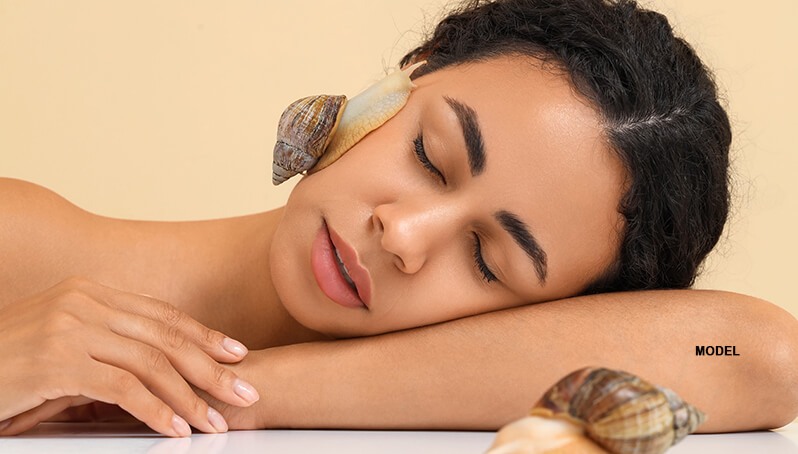
Snail mucin has quickly become one of the most talked about ingredients in modern skin care. Popularized by Korean beauty brands and viral social media posts, the ingredient claims to hydrate, smooth, and calm even the most irritated skin. Are these claims too good to be true?
In this post, we will take a closer look at what snail mucin is, how it works, and how you can use it in your skin care regimen.
What Is Snail Mucin?
Snail mucin, sometimes referred to as snail secretion filtrate, is a fluid that snails naturally produce to help them maintain moisture and repair any damage they experience as they crawl across surfaces. While the idea of using excreted snail mucus can sound unsettling, the mucin is purified and refined when used in skincare. The result is a lightweight hydrating ingredient that is rich in nutrients.
Snail mucin contains versions of time tested and proven skin care ingredients including glycoproteins, peptides, hyaluronic acid, growth factors, and antioxidants. These components work together to hydrate the skin, support its protective barrier, and improve visible radiance and smoothness.
Are There Different Forms of Snail Mucin?
Snail mucin comes in a few different forms. Most products use filtrate, which is a purified and diluted form that blends easily into serums (like the popular COSRX snail mucin serum) and essences. There are, however, some newer products that use more concentrated versions that feel slightly thicker and provide richer hydration.
Snail mucin can also come in fermented and non-fermented versions. Fermentation breaks down the molecules into smaller components that can be easier for the skin to absorb. Both fermented and non-fermented versions can be effective. The choice between the two is often personal preference based on the difference of texture and how the product feels on the skin.
For skin care, most products contain concentrations of snail mucin that are between 30% and 90%. Higher percentages are typically used in serums, while moisturizers often contain a lower percentage that is blended with other hydrating ingredients.
How Is Snail Mucin Harvested or Made?
There are cruelty free methods to collect the mucin without harming the snail. With this method, snails are kept in stimulus free (dark and quiet) environments where all surfaces are made of glass. As the snails naturally glide around, the mucin is left behind and can be collected.
Pure snail mucin extract then goes through filtration and purification processes to remove debris and ensure a clean final ingredient.
Ethical practices are an important consideration. Consumers should look for brands that openly share their collection standards and strictly avoid harmful harvesting methods.
Snail Mucin Benefits: What Does It Do For The Skin?
Snail mucin can provide a range of benefits for skin health and appearance due to its multi-functional composition. Its unique blend of humectants, peptides, proteins, and antioxidants makes it a gentle and supportive ingredient for many skin types.
Hydration and Moisture Retention
- Snail mucin acts as a humectant that pulls water into the skin, improving hydration levels.
• Natural occurring hyaluronic acid in the mucin helps the skin maintain moisture, leading to a softer and more plump appearance.
Support for the Skin Barrier
- Glycoproteins and peptides derived from the mucin help reinforce the skin’s natural barrier.
• A stronger barrier protects against moisture loss, irritation, and environmental stress.
Soothing and Calming Effects
- Snail mucin provides gentle relief from redness or irritation.
• It can help calm the skin after cleansing, exfoliating, or exposure to harsh environmental conditions.
• Snail mucin is gentle and can be used by individuals with sensitive skin who struggle to tolerate stronger products.
Anti-Aging Benefits
- Mucin may help improve the appearance of fine lines.
• Peptides help support elasticity and firmness.
• Increased hydration reduces the look of fine lines linked to dryness.
Brightening and Reduction of Dullness
- Antioxidants in snail mucin help neutralize free radicals that contribute to skin dullness.
• Improved hydration and barrier strength naturally enhance radiance.
• Some formulations may also soften the look of mild discoloration or uneven tone.
Gentle Support for Skin Healing and Renewal
- Natural growth factors and proteins help promote a healthier skin surface.
• Snail mucin can help with dryness, irritation, or minor skin stress.
Enhanced Softness and Smooth Texture
- Snail mucin improves softness by supporting healthy cell turnover and hydration.
• Many users notice more refined texture and smoother makeup application.
• Consistent use can reduce rough or uneven patches.
How to Use Snail Mucin in a Skincare Routine
What Types of Products Include Snail Mucin?
Snail mucin is commonly found in serums that deliver a high concentration of the ingredient topically. It is also used in moisturizers, creams, and mask treatments. There are snail mucin containing cleansers, but they off little to no benefits as the mucin has a short contact time with the skin.
When Should You Apply Snail Mucin?
Snail mucin serums should be applied onto damp skin, after cleansing and toning is complete. It fits well as a final stage in both morning and evening routines, before most hydrating or soothing steps.
How Often Should You Use It?
New users should start with one-daily use. If tolerated well, application can be increased to twice daily (morning and night). Patients with sensitive or acne prone skin may prefer to introduce it gradually while monitoring their skin for unwanted changes. Lightweight serums can often be used more frequently, while richer moisturizers are usually applied once a day.
Can Snail Mucin Be Combined With Other Ingredients?
Yes, snail mucin pairs well with hyaluronic acid, niacinamide, ceramides, and peptides. These combinations support hydration and a healthy skin barrier.
Ingredients to Avoid While Using Snail Mucin
Snail mucin is gentle and works with most products. However, if you use strong retinol or retinoids, high strength acids, or benzoyl peroxide, consider spacing applications between mucin as those actives can undo the hydrating and calming effects of snail mucin.
Who Should Consider Using Snail Mucin?
Snail mucin is an excellent option for dry, dehydrated, or sensitive skin. It helps calm redness and supports healthier hydration levels for all skin types.
- Individuals noticing early signs of aging may appreciate the smoothing and brightening effects.
- People with oily or acne prone skin often enjoy its lightweight hydration.
- Teens and beginners frequently choose snail mucin because it is simple, gentle, and easy to incorporate.
Vegan patients may want to avoid snail mucin due to its animal origin.
Potential Side Effects or Issues
Snail mucin is gentle and typically well tolerated, but as with any skin care ingredient sensitivity or irritation after use is possible. New users should conduct a patch test: applying it to a patch of skin on the arm before applying it to the entire face. Rare allergic reactions may occur for people sensitive to natural extracts.
Final Thoughts
Snail mucin is a gentle, multi-functional skin care ingredient that supports hydration, radiance, and smoother texture. Mucin contains a natural blend of humectants, peptides, and antioxidants, that can help improve the look and feel of many skin types. Choose high quality formulas from reputable brands and talk to your dermatologist if you have sensitive skin or are considering using snail mucin while undergoing in-office treatments.
When used consistently, snail mucin can be a valuable addition to a balanced and effective skin care routine.

Maria Leszczynska, MD is a Board Certified Dermatologist at Westlake Dermatology, dedicated to providing empathetic, evidence-based care to patients of all ages. With dual training in pediatrics and dermatology, she brings a comprehensive, patient-centered approach to skin health. Dr. Leszczynska offers general, pediatric, surgical and cosmetic dermatology services, including Botox and laser treatments, with a focus on safe and effective results tailored to individual patient goals. She is also an active contributor to the academic dermatology community, with 19 peer-reviewed publications and numerous non–peer reviewed articles, poster presentations, and oral presentations at national meetings.
Disclaimer: The contents of the Westlake Dermatology website, including text, graphics, and images, are for informational purposes only and are not intended to substitute for direct medical advice from your physician or other qualified professional.