
Squalane for Skin Care: Benefits, Uses, and What to Know

Squalane is rapidly becoming one of the most popular moisturizing-focused skin care ingredients. Known for its ability to deeply hydrate the skin without feeling heavy or greasy, squalane supports the skin barrier and its gentle nature makes it compatible with nearly all skin types. From dry and sensitive skin to acne-prone and post-procedure skin, this ingredient plays a valuable role in maintaining long-term skin health.
What Is Squalane?
Squalane is a stabilized, hydrogenated form of squalene: a lipid that is naturally produced by the sebaceous glands in human skin. Squalene is a major component of our skin’s natural oils and plays an important role in keeping the skin soft, flexible, and protected.
Historically, squalene was derived from animal sources, such as shark liver oil. Today, nearly all cosmetic squalane is plant-derived, typically made from olives, sugarcane, or rice bran. This makes modern squalane both sustainable and suitable for topical use.
Squalane is the ingredient form utilized for skin care purposes. This is because squalene is highly unstable and oxidizes quickly when exposed to air. Squalane is more resistant to air and more self-stable, making it longer-lasing and more effective for use within skin care formulations.
How Can Squalane Benefit the Skin?
Squalane is a moisturization-focused ingredient that can offer multiple benefits that support overall skin health:
Helps Replenish Moisture and Prevent Water Loss
Squalane acts as an emollient, meaning it helps soften and smooth the skin while reducing transepidermal water loss (TEWL). By sealing in moisture, squalane helps to prevent dehydration without clogging pores.
Skin Barrier Support
A healthy skin barrier is essential for protecting against environmental stressors and preventing irritation. Squalane works to reinforce the lipid layer of the skin, helping to restore barrier function and improve overall resilience.
Leaves Skin Soft Without a Greasy Feel
Unlike heavier oils, squalane absorbs quickly and leaves the skin feeling smooth and comfortable rather than oily. This makes it ideal for daily use, even for those who dislike traditional facial oils.
Ideal For Long-Term Use
Since it closely resembles the skin’s natural lipids, squalane is well tolerated and can be used consistently to support hydration and barrier integrity over time.
How Does Squalane Work in Skin Care?
Squalane works by mimicking the lipids naturally found in human sebum (oils). When applied topically, it integrates easily into the stratum corneum, the outermost layer of the skin. This integration helps fill in gaps between skin cells, reducing roughness, improving flexibility, and enhancing comfort. By strengthening the lipid matrix, squalane can also reduce dryness, flaking, and irritation, especially in skin that is compromised, damage, or recovering from an in-office treatment.
How to Add Squalane to Your Skin Care Regimen
Squalane is highly versatile, with a gentle nature that makes it well-suited for all skin types. It is a highly compatible ingredient that can fit easily into most skin care routines:
Available Forms
Squalane is commonly found in facial oils, serums, moisturizers, cleansers, and even some sunscreens. Pure squalane oils are often used for targeted hydration, while cream or lotion formulations incorporate it more for barrier support.
When to Apply
Squalane can be used twice daily, both in the morning and evening. In a skin care routine, it is typically applied after water-based serums and before heavier creams or sunscreens. When used as an oil or serum, a few drops are usually sufficient.
Combining with Active or Prescription Treatments
Squalane pairs well with most actives including retinoids, exfoliating acids, and prescription treatments by helping offset dryness and irritation. Applying squalane after actives can improve tolerability without interfering with their effectiveness.
Who Should Consider Using Squalane?
Given its gentle nature, squalane is appropriate for a wide range of skin types and concerns including individuals with:
- Dry skin as squalane provides moisture-sealing benefits
- Sensitive skin or compromised barriers since squalane helps calm and heal the skin
- Acne-prone skin may benefit because squalane is non-comedogenic and does not clog pores.
- Damaged or post-treatment skin can use squalane to support healing and comfort.
Even those with oily or combination skin can still use squalane without fear of clogged pores if they opt for lightweight formulations or use squalane in small amounts.
Are There Complementary Ingredients to Use with Squalane?
Squalane is compatible with most skin care ingredients and works particularly well alongside other supportive skin care ingredients.
Humectants such as glycerin and hyaluronic acid draw water into the skin, while squalane helps seal that moisture in. Barrier-supporting ingredients like ceramides and niacinamide further strengthen the skin’s protective layer.
Since squalane reduces dryness and irritation, it can also help improve tolerance of harsh/powerful active ingredients such as retinoids or AHA/BHA exfoliating acids.
Are There Any Ingredients to Avoid Using with Squalane?
Squalane is generally safe to combine with most skin care ingredients. However, layering too many heavy occlusives on top of squalane may feel overly rich for some skin types, particularly oily or acne-prone individuals.
In routines that already contain multiple strong actives, adding excessive layers of products may increase the risk of congestion or irritation. In these cases, keeping the routine simple is often more effective.
Are There Any Unwanted Side Effects?
Squalane has a very low risk of irritation or allergic reaction. Most side effects are rare and typically related to a product’s overall formulation (i.e. other active ingredients) rather than squalane itself.
In some individuals, breakouts may occur if a product contains additional pore-clogging ingredients. Patch testing is always recommended, especially for those with sensitive or reactive skin.
Final Thoughts
Squalane is a simple yet highly effective ingredient that supports one of the most important foundations of healthy skin: hydration and barrier function. Since it closely mimics the skin’s natural oils, squalane delivers moisture without heaviness, irritation, or pore congestion, making it suitable for nearly every skin type. When used consistently and in the right formulation for your skin type, squalane helps keep the skin soft, resilient, and balanced.
Whether your goal is to calm damaged or irritated skin, offset dryness from active treatments, or maintain long-term skin comfort, squalane can be a beneficial and well-tolerated addition to your routine.
Dr. Shah’s Favorite Squalane-Containing Products
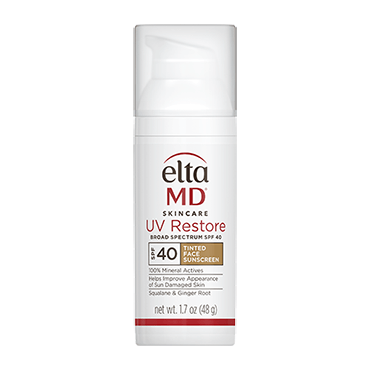
Elta MD UV Restore SPF 40 Tinted Mineral Sunscreen

Revision Skincare C+ Correcting Complex 30% Antioxidant Cream

Dr. Radhika Shah is a Board-Certified Dermatologist with expertise in medical, pediatric, surgical, and cosmetic dermatology, with a special focus on complex skin disease and its psychological impact. A native Texan, she completed her undergraduate, graduate, and medical training across respected Texas institutions, ultimately serving as Chief Resident during her dermatology residency at Baylor Scott & White. Dr. Shah is also an accomplished medical writer who has contributed textbook chapters and published research in leading dermatology journals. She is dedicated to delivering thorough, compassionate care and tailoring treatment plans to each patient’s unique needs. Dr. Shah is an active member of the American Academy of Dermatology and other professional societies.
Disclaimer: The contents of the Westlake Dermatology website, including text, graphics, and images, are for informational purposes only and are not intended to substitute for direct medical advice from your physician or other qualified professional.