
Beef Tallow for Skin Care: Is The Trend Really Good For Skin?

Beef tallow has recently gained attention on social media as a “natural” skincare alternative. Several posts have gone viral with claims that beef tallow closely mimics human skin oils, enhances the skin barrier, and improves dryness, irritation, and even acne.
Unfortunately, beef tallow does not live up to the hype. At best, it provides limited and temporary skin softening. If you are considering giving beef tallow a try, keep reading to learn about more effective (and scientifically proven) alternatives.
What Is Beef Tallow?
Beef tallow is rendered fat from cattle, typically sourced from the suet (the fat surrounding the kidneys). For skincare purposes, the tallow is often whipped into a moisturizing balm or cream and applied topically to the face or body.
Proponents of beef tallow for skincare often point to the fact that it contains:
- Fatty acids similar to those found in human sebum
- Fat-soluble vitamins such as A, D, E, and K
- No synthetic preservatives, fragrances, or emulsifiers
It seems to be gaining popularity with individuals seeking “ancestral,” natural, or minimalist skincare routines.
How are people trying to use beef tallow for skin care?
In skincare, people are attempting to use beef tallow as an occlusive moisturizer, meaning it works by sealing moisture into the skin rather than actively changing skin behavior at a cellular level.
When applied to the skin, beef tallow forms a protective lipid layer on the surface. This layer helps “seal in” moisture by reducing transepidermal water loss, which is the evaporation of moisture from the skin. By slowing this water loss, the skin may feel softer, smoother, and more comfortable, especially in individuals with dry or compromised skin barriers.
Beef tallow contains a high concentration of saturated and monounsaturated fatty acids, including oleic acid and stearic acid. These lipids are structurally like some components of human sebum, which may explain why certain users find it soothing or familiar-feeling on very dry skin. However, this similarity does not mean it is biologically identical to human skin oils, and responses can vary widely between individuals.
Some proponents suggest that the fat-soluble vitamins found naturally in beef tallow, such as vitamins A, D, E, and K, nourish the skin. While these vitamins are important for overall skin health, their stability, absorption, and effectiveness when delivered through tallow are not well documented. This benefit is most likely modest and not effective for skin health.
View this post on Instagram
Is Using Beef Tallow Good For Skin?
Beef tallow is not an effective option for skin care!
While it can soften the skin by sealing in moisture, beef tallow is unregulated, lacks clinical testing, and may clog pores or trigger irritation, especially when used on the face. Because it is understudied and provides limited benefits, beef tallow is not a good skincare option.
Why Beef Tallow Falls Short
Beef tallow is almost entirely fat. It may be a functional occlusive but beef tallow:
- Does not add hydration (no humectants)
- Does not repair the skin barrier in a targeted way
- May clog pores and cause acne breakouts or dermatitis
- Quality varies widely in purity and stability
There are no viable clinical trials showing that beef tallow outperforms modern moisturizers, treats acne, reverses aging, or improves skin conditions better than established ingredients.
Most reported benefits are anecdotal and likely related to moisture sealing rather than active skin correction.
Are There Better Skin Care Ingredients?
Yes, modern dermatology offers regulated, evidence-based alternatives that provide superior hydration and long-term skin-barrier repair without the risks.
- Ceramides
- Hyaluronic Acid
- Squalane
- Glycerin
- Petrolatum
These ingredients are widely researched, dermatologist-recommended, used by reputable skincare brands and suitable for a broad range of skin types.
Dermatologist Approved Alternatives To Beef Tallow
SkinCeuticals Triple Lipid Restore 2:4:2
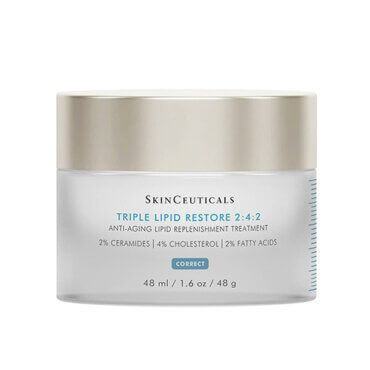
Best for: Aging, dry, or barrier-impaired skin
Why it works: Delivers a precise 2:4:2 ratio of ceramides, cholesterol, and fatty acids—the same lipids naturally found in healthy skin—to restore barrier integrity, improve texture, and enhance radiance.
Why it’s superior to beef tallow: Provides clinically tested lipid replacement with true hydration and visible anti-aging benefits, rather than simply sealing the skin.
Revision Skincare DermProtect Barrier Defense
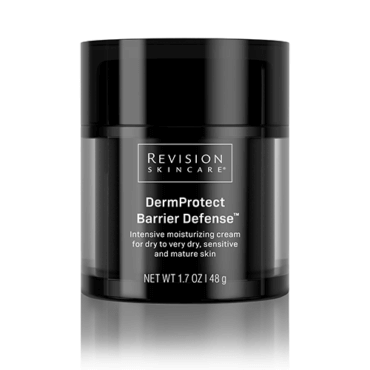
Best for: Compromised, post-procedure, or environmentally stressed skin
Why it works: A medical-grade barrier cream formulated with ceramides, antioxidants, and microbiome-supportive technology to calm inflammation and protect against environmental stressors.
Why it’s superior to beef tallow: Actively repairs and defends the skin barrier instead of acting as a passive occlusive.
Final Verdict: Is Beef Tallow Worth Trying?
Beef tallow may temporarily soften the skin by sealing in moisture, but it offers a limited, unregulated approach to skin care. Dermatologist-approved moisturizers are designed to do more than just coat the skin, they hydrate, repair, and protect the skin barrier using ingredients that are scientifically studied, safety tested, and carefully formulated.
Healthy skin does not require animal fats. It requires the right balance of water, skin-identical lipids, and barrier-supporting ingredients to function at its best. Choosing clinically proven products helps support long-term skin health, not just short-term softness.

Diana Reyes, PA-C earned her Master of Physician Assistant Studies (MPAS) from UT Southwestern Medical Center in Dallas in 2007. She began her career in dermatology in 2008 after receiving specialized training in pediatric dermatology at Texas Children’s Hospital in Houston and has over 15 years of experience in dermatology. She is board certified by the National Commission on Certification of Physician Assistants and licensed by the Texas Medical Board.
Disclaimer: The contents of the Westlake Dermatology website, including text, graphics, and images, are for informational purposes only and are not intended to substitute for direct medical advice from your physician or other qualified professional.