
Gua Sha for Facial Sculpting and Glow: Does It Really Work?
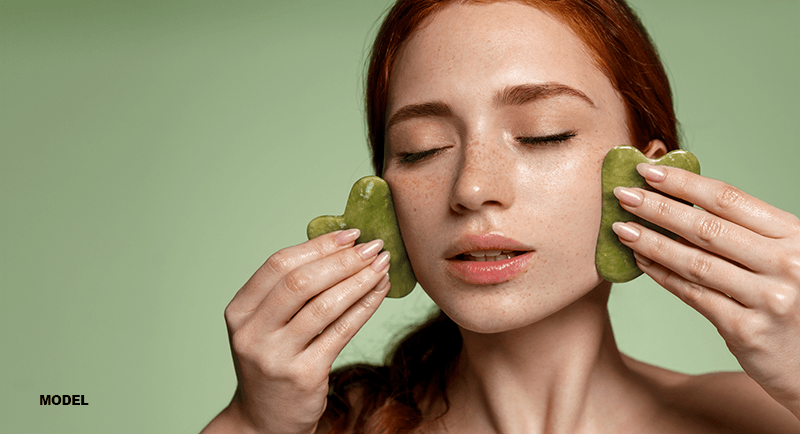
Gua sha has quickly become one of the most popular beauty tools on social media. From promises of a more sculpted jawline to claims of a radiant, “lit-from-within” glow, this centuries-old technique has been rebranded as a modern facial contouring solution.
Can gua sha actually reshape the face, improve skin health, or deliver long-term anti-aging benefits? Or is it simply a relaxing ritual with temporary effects?
While many people are drawn to gua sha for its immediate feel-good effects, it’s important to understand what it can realistically do for skin appearance and health, what scientific evidence supports, and how to use it safely and effectively.
What Benefits Does Gua Sha Claim to Provide?
Gua sha is rooted in traditional Chinese medicine (TCM) and historically involved scraping the skin to stimulate circulation. In skincare, facial gua sha uses a smooth stone or metal tool to glide along the face and neck.
Common claims from proponents include:
- Reduced facial puffiness through lymphatic drainage
- Increased circulation for a brighter, more radiant complexion
- Enhanced facial contouring, particularly along the jawline and cheekbones
- Relaxation of facial tension, especially in the jaw and brow area
- Improved skin tone and overall glow
Many online sources also suggest gua sha can stimulate collagen production, reduce wrinkles, and provide long-term sculpting effects. While these claims are appealing, they are not strongly supported by clinical research.
Does Gua Sha Really Work? What Can You Expect?
Gua sha can provide some visible results. However, any results provided are temporary and are often not as dramatic as portrayed online.
What the evidence supports:
- Gua sha does appear to increase local blood flow temporarily, which may help skin look brighter and less dull right after a session.
- The massage-like motion can help move lymphatic fluid, which may reduce mild puffiness and give the face a slightly smoother, “de-puffed” appearance.
- The relaxation of facial muscles can reduce tension, which may help soften expression lines and make features appear more relaxed.
Important Limitations to understand:
- There is limited scientific evidence showing gua sha leads to permanent changes in facial structure, sustained sculpting, or true tightening of skin tissue.
- Any contouring effects are typically temporary and related to fluid shifts and muscle relaxation rather than changes in bone, fat distribution, or collagen architecture.
- Evidence for long-term anti-aging effects, such as significant wrinkle reduction or collagen stimulation, is sparse and not robustly supported.
In practice, most people report that gua sha feels relaxing, makes their skin look refreshed, and can help reduce puffiness shortly after use. These effects may contribute to an improved complexion and overall skin health when performed consistently, but they are not transformative on their own.
Is There a Difference Between Professional and At-Home Gua Sha?
Yes, there are important differences in technique, pressure, and outcome:
Professional Gua Sha
When performed by a trained provider, gua sha may be more precise and anatomically informed. Professionals understand lymphatic pathways, muscle attachments, and optimal pressure techniques. This allows for more targeted treatment and can produce more consistent short-term results.
Professional sessions may also incorporate complementary therapies, such as facial massage techniques or medical-grade skincare products.
At-Home Gua Sha
At-home gua sha is widely accessible and cost-effective. When performed correctly, it can provide many of the same temporary benefits, including improved circulation and reduced puffiness.
However, technique matters. Too much pressure, insufficient lubrication, or improper angle can lead to skin irritation or broken capillaries, especially in individuals with sensitive or rosacea-prone skin.
For most people, at-home gua sha works best as a maintenance ritual rather than a substitute for professional treatments when more significant contouring or tightening is desired.
How to Perform Gua Sha Safely
If you choose to practice gua sha at home, proper technique is essential.
- Choose your tool and prep skin: Select a smooth, clean gua sha tool. Apply a generous amount of facial oil, serum, or moisturizer to help the tool glide without tugging.
- Start with gentle pressure: Use light, upward and outward strokes, following the natural contours of the face and neck. Heavy pressure is not necessary and can irritate the skin.
- Direction matters: Move from the center of the face outward (for cheeks and jawline) and from the brow area toward your temples for the forehead. For the neck, glide downward toward the clavicle (collarbone) to support lymphatic drainage.
- Consistency: Regular practice (several times per week) is more likely to yield sustained improvements in puffiness and relaxation than occasional use. Always clean your tool before and after use.
Remember that gua sha should never feel painful. Always be gentle around delicate areas like under-eye skin. Patients should also avoid practicing gua sha over active acne, inflamed skin, open wounds, or areas of broken capillaries. Finally, always clean your tool before and after each session.
Are There Alternatives That Provide More Noticeable Results?
There are several scientifically tested treatment options that will provide more dramatic and longer-lasting improvements in contour, firmness, or wrinkle reduction. Proven treatment options include:
Collagen-Stimulating Treatments
Procedures such as microneedling, radiofrequency microneedling, and certain laser treatments stimulate collagen remodeling at a deeper level than manual massage alone. These treatments can improve skin texture, firmness, and fine lines over time.
Energy-Based Skin Tightening
Radiofrequency and ultrasound-based devices target deeper tissue layers to promote tightening and mild lifting. These approaches address structural laxity in ways gua sha cannot.
Injectables
Neuromodulators (Botox) can soften dynamic wrinkles caused by muscle movement, while dermal fillers can restore lost volume or enhance contour. These treatments offer predictable, targeted results that go beyond fluid redistribution.
Evidence-Based Skincare
Topical retinoids, peptides, antioxidants, and growth factors support long-term collagen health and skin renewal. When used consistently, these ingredients provide more reliable anti-aging benefits than massage tools alone.
Final Thoughts
Gua sha is a safe and relaxing technique that can temporarily reduce puffiness, improve circulation, and enhance skin radiance. The sculpting effects many users notice are primarily related to fluid movement and muscle relaxation rather than permanent structural changes.
While it can be a beneficial addition to a well-rounded skincare routine, gua sha is best viewed as a supportive practice rather than a stand-alone solution for lifting, tightening, or wrinkle correction.
If your goals include significant contouring, long-term collagen stimulation, or visible tightening, a personalized treatment plan with a board-certified dermatologist can help you explore options that align with your skin type and aesthetic priorities.

Mikayla Haines, MPAS, PA-C, is a board-certified physician assistant with a strong passion for both medical and cosmetic dermatology. Mikayla’s journey in dermatology began at Westlake Dermatology, where she worked as a medical assistant before PA school. During her PA education, she returned to Westlake Dermatology to complete multiple clinical rotations with top-level providers. She values creating individualized and patient-centered treatment plans tailored to each patient’s unique needs while prioritizing trust, rapport, and respect during every interaction. She believes in empowering her patients by ensuring they feel heard, understood, and actively involved in their care.
Disclaimer: The contents of the Westlake Dermatology website, including text, graphics, and images, are for informational purposes only and are not intended to substitute for direct medical advice from your physician or other qualified professional.