
Should You Trust ChatGPT for Cosmetic Advice?
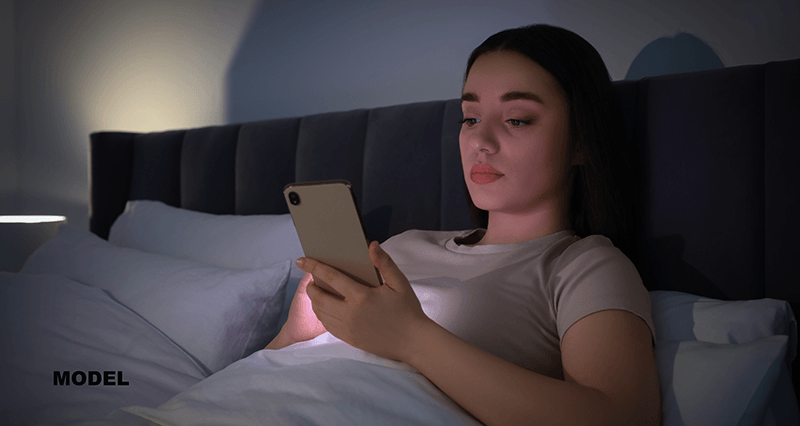
From AI skin analysis tools to ChatGPT cosmetic advice, more people are using artificial intelligence to evaluate their appearance and explore treatment options. Some upload selfies for AI facial analysis, asking questions like “What cosmetic procedures would improve my appearance?” or “Should I get Botox, fillers, or plastic surgery?” and receive a detailed AI-generated cosmetic treatment plan. What could go wrong?
We get it, AI can seem like a convenient (no appointment necessary) and inexpensive option that sometimes feels more private or less intimidating than talking to an aesthetic professional. However, the truth is that AI can only come up with a list of possibilities. When it comes to choosing the right treatment, even today’s most advanced AI agents cannot match the knowledge, hands-on experience and clinical judgment of a qualified skincare professional.
While AI responses can sound smart and personal, creating the best treatment plan requires a closer examination of a patient’s unique health history, anatomy and goals. If you recently used ChatGPT for cosmetic advice (or are considering doing so), here’s what you should know.
The Rise of AI Facial Analysis: New Technology, Same Issues
The use of the latest tech for cosmetic advice is not new. The AI trend is reminiscent of the popular photo filters and plastic surgery simulation apps that were rampant a few years ago. Those apps would let users edit their selfies; a few taps would smooth wrinkles, enlarge lips and reshape noses. The apps were marketed as a quick (and fun) way to experiment with appearance. More often than not, however, the output from the apps created unrealistic expectations. Patients would come to consultations with a highly unrealistic version of themselves, one that no treatment or surgery could realistically produce.
A survey of patients seeking facial plastic surgery explored how these photo-editing apps influenced their interest in procedures. The concern remains relevant: software often changes things like facial proportions without accounting for skin thickness, underlying structure, healing or how the face moves.
AI takes these issues to a whole new level. The old apps and photo filters merely modified a specific trait selected by the user. Chatbots take it a step further, sometimes recommending a long list of changes intended to reshape your natural appearance according to what an algorithm interprets as today’s beauty standard. This concern is also reflected in the “AI face” trend, in which AI-generated or heavily altered images present an idealized version of someone’s appearance.
But AI cannot determine whether those changes are realistically achievable, or whether the treatments required to pursue them would be safe or effective given your skin and anatomy.
Can ChatGPT Recommend the Right Cosmetic Treatments?
Today’s AI platforms are very advanced. Many have the ability to interpret photographs, semi-accurately discuss visible features and answer follow-up questions. When it comes to aesthetics, AI can also research treatments or procedures, review videos and even generate realistic images of what possible changes may look like.
While these features may provide some value, AI has significant limitations when it comes to recommending the right treatment. Whether someone asks ChatGPT for plastic surgery advice or uses AI facial analysis to explore Botox or fillers, a chatbot may recognize a visible concern without identifying its underlying cause. It cannot perform an in-depth assessment of a patient’s skin, anatomy or medical history, all of which play a key role in determining which treatments or procedures are a good match for the patient’s unique needs and desires. It also lacks the hands-on clinical experience needed to understand how treatments perform in real patients.
AI merely synthesizes patterns from large amounts of information to generate recommendations that may sound plausible. The solutions it promotes, however, may not be the best fit for the patient. Even when an answer cites legitimate sources, AI may misinterpret the evidence or apply general guidance incorrectly to your situation. A 2024 study of AI responses to facial aesthetic surgery questions illustrates the imperfect accuracy and incompleteness of results related to cosmetic advice. Although today’s models are more capable, they still cannot replace the benefits of an in-person assessment.
Underlying Causes: The Main Reason Why AI Skin Analysis Falls Short
The key to safely and effectively correcting a cosmetic concern is understanding and addressing its underlying cause. This is one area where AI skin analysis falls short. While a photograph may illustrate a cosmetic concern or problem, it cannot determine the underlying cause on its own.
That distinction is very important because many common aesthetic concerns can have different causes. For example:
Facial redness: Unwanted redness can be caused by rosacea, acne, irritation (contact dermatitis) or visible blood vessels, among other possibilities. An automatic recommendation for laser treatment could overlook the underlying condition or the need for a different approach. Lasers can help certain types of redness, but the right treatment depends on the cause.
A less-defined jawline: Bone structure, fat distribution or loose (sagging) skin can affect definition. Thus, the solution for a more prominent jawline could include adding volume (via a dermal filler or implant) or skin tightening (via Ultherapy or a neck lift).
Acne scars: There are many different types of acne scars, each of which may require a different treatment approach. A general recommendation for laser resurfacing or microneedling may overlook those differences.
These examples illustrate why it’s better to seek out a professional rather than rely on an AI-assisted self-diagnosis. Identifying the issue you want to address is merely the first step in determining the best course of treatment.
Other Problems With AI Cosmetic Advice
Can AI Accurately Analyze Your Face From a Selfie?
Camera distance, angle, lighting, expression and image processing can alter your appearance. For example, a study comparing selfies with clinical photographs found that close-range selfies drastically distorted nasal measurements.
Lighting can also emphasize shadows and texture. An AI tool may respond to what the camera exaggerates, particularly if it has only one image to assess. Uploading additional photographs may add context, but most times a photo is not enough to fully understand the situation. This is why AI facial analysis or AI skin analysis based on a selfie should not be treated as a clinical assessment.
Incomplete Medical History Assessment
Medications, allergies, previous procedures, active skin conditions and healing history can affect treatment decisions. Pregnancy, breastfeeding and nicotine use may also be relevant, depending on the procedure.
You can share some of this information with AI, but a questionnaire or chat history is not equivalent to a clinician reviewing it, asking follow-up questions and applying it to an examination. Cosmetic treatments still require individualized consideration of risks.
Minimal Customization
The best treatment plan is one that is 100% patient focused; it should be fully tailored to meet each patient’s unique needs. An algorithm may flag ordinary asymmetry, lines or proportions that never bothered you before.
It may also overlook what matters most: preserving a distinctive feature, keeping changes subtle, avoiding downtime or deciding that the likely improvement is not worth the cost. There is no single facial proportion or appearance that everyone should pursue.
No Hands-On Skin Characteristic Assessment
Photos are not reliable ways to assess all skin characteristics, an important point of consideration for both surgical and nonsurgical treatment options.
A provider may assess skin thickness, elasticity, tissue movement and the relationship between features. They can examine the face from different angles, observe expressions and feel or physically manipulate an area when needed.
Even if an AI tool accepts video, it cannot perform that hands-on assessment. The missing information may change which treatment is best or whether treatment should be considered at all.
AI “Slop” Answers
For all its improvements, AI can still give incorrect details, repeat outdated information or inaccurately cite sources that do not support its conclusions. Pay particular attention when an answer jumps from a general explanation to a precise recommendation for your face. Specificity can make a suggestion seem more reliable than the available information justifies.
Overlooked Medical Concerns
Some issues seem cosmetic, but they really require medical intervention. A changing skin spot, persistent irritation or unexplained hair loss deserves appropriate medical evaluation. Treating the appearance alone could delay identifying the cause.
Do not rely on a chatbot’s reassurance to rule out a medical condition. Bring the concern to a qualified clinician before pursuing a cosmetic solution.
Is It Safe to Upload Your Face to ChatGPT?
Your interactions with AI may not be as private as you expect. Before uploading identifiable selfies for AI facial analysis or sharing health details, review the service’s policies on retention, sharing and use of your information, along with any available privacy controls. Different AI platforms and account settings vary in their protections.
How to Use ChatGPT for Cosmetic Treatment Research
While AI is not a good tool for determining the best treatment option, it does have a place in aesthetics. AI is a fantastic research assistant! AI can help explain terminology, compare treatments, find qualified providers, and brainstorm or organize questions for a consultation… with some important caveats.
Make sure to request sources for any claims AI makes. Do your due diligence and open the original sources to check that they support the statements, and consider when they were published. Look for information from established medical organizations and relevant peer-reviewed research. This is valuable knowledge to bring with you to a consultation.
| Instead of asking… | Try asking… |
| “Should I get Botox or filler?” | “How do Botox and fillers address different concerns?” |
| “Which laser should I get?” | “What factors affect a dermatologist’s choice of laser?” |
| “How much filler do I need?” | “What should I ask about filler benefits, risks and alternatives?” |
| “How will my face look after a facelift?” | “What affects results and recovery after a facelift?” |
| “What plastic surgery do I need?” | “What factors should a plastic surgeon consider when assessing my goals and candidacy?” |
| “Can you analyze my face and tell me what to fix?” | “What are the limitations of AI facial analysis, and what should I discuss at a consultation?” |
Avoid relying on AI to do things like choosing injection sites or product doses, establishing your candidacy for a procedure, or predicting an exact outcome. Those types of decisions should come from a professional.
Frequently Asked Questions About AI Cosmetic Advice
Can ChatGPT Analyze My Face and Recommend Cosmetic Procedures?
ChatGPT can describe visible features in an uploaded photo and explain treatment options in general terms. However, it cannot examine your skin, assess tissue quality or determine whether Botox, fillers or surgery are appropriate for you. Treat AI cosmetic treatment recommendations as starting points for a conversation, not personalized treatment plans.
How Accurate Is AI Skin Analysis Compared With a Dermatologist?
Accuracy varies by tool, concern and image quality. A photo-based assessment cannot reliably identify every cause of redness, acne scars or other concerns. A dermatologist can examine the skin, consider your medical history and recommend appropriate next steps.
Can AI Predict What I Will Look Like After Plastic Surgery?
AI can generate a realistic-looking preview, but it cannot guarantee a surgical result. Anatomy, surgical technique and individual healing affect outcomes. AI-generated images are best viewed as illustrations of possibilities, not promises of what a procedure can achieve.
Can ChatGPT Tell Me Whether I Need Botox or Fillers?
AI can explain how the treatments differ, but deciding which option, if any, is appropriate requires an assessment of facial movement, anatomy, goals and medical history. A qualified provider can help you understand the likely benefits, risks and alternatives.
Is It Safe to Upload a Picture of My Face to an AI Chatbot?
Before uploading identifiable photographs, review the platform’s privacy policy and settings, including how images may be stored or used. Consider whether you are comfortable sharing the image, and avoid including unnecessary personal or health information.
Professionals Still Create The Best Treatment Plans
When trying to determine the best treatment, skip the chatbot and instead chat with an experienced, board-certified medical professional. A useful consultation starts with a conversation. What concerns you, and for how long? What would improvement look like to you? What have you tried? How do recovery time, budget and upcoming plans affect your choices?
A qualified provider will take your answers to those questions and combine them with your medical history and current needs (derived through an in-person assessment). With all that information, they can explain the likely cause of your concern, compare reasonable options and discuss risks, limitations and recovery. If several treatments are possible, they can help you prioritize or take a gradual approach.
Depending on the circumstance, they can also explain why a procedure may offer little benefit or carry an unfavorable risk for you. Choosing no treatment is a valid outcome.
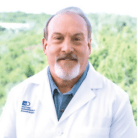
Michael Streitmann, MD is dually board certified by the American Board of Plastic Surgery and the American Board of Otolaryngology (Ear, Nose, and Throat Surgery). He completed a residency in ENT at the Medical College of Virginia in Richmond, Virginia. His training included plastic and reconstructive surgery of the face and neck, which led to an interest in plastic surgery of the entire body. Dr. Streitmann performs primary and revision surgery of the face, breast, and body, including procedures following massive weight loss. He also performs excision of skin cancers as well as complex reconstructions of the resultant defects.
Disclaimer: The contents of the Westlake Dermatology website, including text, graphics, and images, are for informational purposes only and are not intended to substitute for direct medical advice from your physician or other qualified professional.