

Skin Glazing: How to Get Glazed Skin Without Looking Greasy
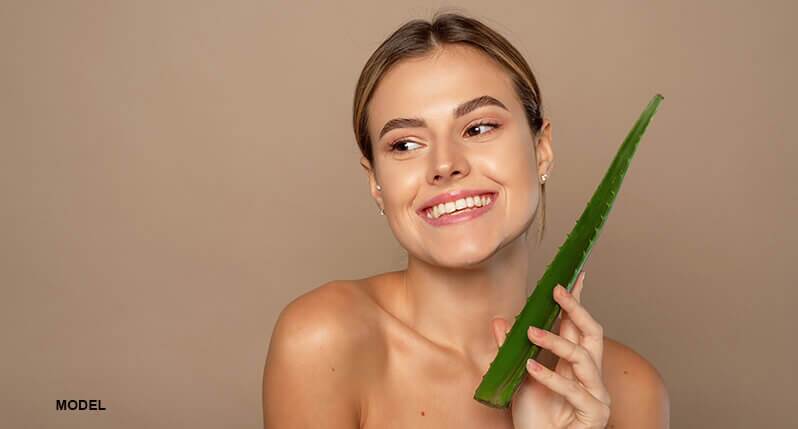
“Skin glazing” has become one of the most popular beauty trends on social media, popularized by Hailey Bieber and the now-iconic “clean girl” aesthetic. The look centers around skin that appears luminous, smooth, and deeply hydrated, almost as if it has been lightly coated with a layer of glossy shine. Unlike makeup-driven beauty trends, skin glazing emphasizes skin health first, celebrating the glow that comes from a strong, hydrated barrier rather than heavy makeup coverage.
“Glazed skin” refers to a K-beauty inspired trend that aims for a dewy, light-reflective complexion like the smooth, glossy finish of a glazed donut. The result achieved through a skincare routine centered on hydration, gentle exfoliation, and products that enhance the skin’s natural luminosity. Layering lightweight, moisture-rich formulas is a key technique, especially for oily or combination skin types that benefit from hydration without excess heaviness.
Healthy, hydrated skin naturally glows. The purpose of skin glazing is to amplify that natural radiance through smart product layering and consistent skin barrier care, creating skin that looks as healthy as it feels.
What Causes the “Glazed” Look?
That signature glazed finish comes down to how light interacts with the skin’s surface. When the outermost layer of the skin (the stratum corneum) is smooth, hydrated, and intact, it reflects light evenly, creating a bright and supple appearance. When the skin barrier is damaged or dehydrated, light scatters unevenly, leading to dullness, rough texture, or uneven tone.
Achieving the “glazed” effect is not about adding artificial shine, it’s about restoring balance. The right combination of gentle exfoliation, deep hydration, and lipid replenishment creates a strong, reflective surface that is a visible sign of skin health.
The Benefits of Skin Glazing
A properly executed skin glazing routine can enhance both the appearance and health of your skin in the following ways:
- Radiance: Hydrated, plump skin reflects light evenly for an instant glow.
- Smoothness: Consistent moisture helps soften roughness, fine lines, and dry patches.
- Barrier Support: A nourished barrier protects against environmental stressors and irritation.
- Makeup Enhancement: Creates a hydrated canvas that allows makeup to blend seamlessly.
Over time, regular hydration and barrier repair can help the skin maintain a more youthful, resilient texture. In that regard, skin glazing is not just a beauty trend but rather a reflection of proper skincare science. A hydrated, balanced barrier is what dermatologists consistently aim to preserve in every patient.
Who Is Skin Glazing Best For?
Skin glazing is suitable for most skin types, particularly normal, dry, and combination skin. Those dealing with dullness, dehydration, or mild texture concerns often see the most benefit. The technique can also be especially helpful for mature skin, where natural oil production decreases, making added hydration essential for restoring elasticity and glow.
If you have oily or acne-prone skin, choose lighter, non-comedogenic serums or gel-based moisturizers to avoid congestion. Those with sensitive skin, rosacea, eczema, or barrier dysfunction should introduce new products gradually and consider consulting a dermatologist before adopting a full glazing routine.
Ingredients That Create the Glazed Finish
Skin glazing is not about layering as many products as possible. It’s about selecting the right ones. The key is to focus on ingredients that hydrate, smooth, and reinforce the skin barrier:
- Hyaluronic Acid: A powerful humectant that draws water into the skin for instant plumpness.
- Niacinamide: Supports barrier repair, brightens uneven tone, and reduces inflammation.
- Ceramides: replenishes essential lipids that strengthen the skin’s natural defense layer.
- Squalane: Mimics the skin’s natural oils for lightweight hydration and a silky finish.
- Peptides: Promotes firmness and elasticity by supporting collagen production.
Avoid heavy petroleum-based occlusives or heavily fragranced products, as these can trap oil or irritate sensitive skin.
How to Achieve Proper Skin Glazing
A successful skin glazing routine focuses on balance and consistency, not excess. Here’s how to create a healthy, luminous finish at home:
- Cleanse: Begin with a gentle, hydrating cleanser to remove dirt and impurities without stripping natural oils.
- Exfoliate: One to two times per week, use a mild chemical exfoliant containing lactic acid or PHA to remove dull, dead skin cells and enhance smoothness.
- Hydrate: Apply a lightweight serum rich in hyaluronic acid or peptides while skin is still slightly damp.
- Moisturize: Follow with a moisturizer that locks in hydration without clogging pores. Look for ceramides or niacinamide to reinforce the barrier.
- Finish: Apply a small drop of facial oil or an illuminating serum to enhance natural sheen.
- Protect: Each morning, apply a broad-spectrum sunscreen with SPF 30 or higher to prevent UV damage and maintain your glow.
Pro Tip: Keep layers light. Applying more product does not always mean better results. In fact, over-layering is one of the most common ways skin glazing backfires, leaving skin feeling greasy or congested.
How Often Should You Glaze?
Most people can glaze their skin daily if they use gentle, hydrating products. In the morning, opt for lighter, quick-absorbing layers that leave a dewy finish. In the evening, switch to richer moisturizers or oils that replenish hydration overnight. For oily or acne-prone skin, glazing every other day may be sufficient. The key is consistency over quantity; healthy habits yield a longer-lasting glow than heavy layering.
Glazed vs. Greasy: How to Get It Right
It can be easy to confuse glazed skin with oily skin, but the two are quite different:
- Glazed skin is reflective, smooth, and hydrated, with an even texture and tone.
- Greasy skin appears shiny, sticky, or congested, often due to overuse of occlusive products.
To maintain balance, use non-comedogenic formulas, avoid excessive oil application, and resist over-exfoliating. The goal is a luminous finish, not a slippery one.
Can Skin Glazing Cause Skin Issues?
When done correctly, skin glazing is safe and beneficial for most complexions. However, it can result in unwanted issues if performed incorrectly or too aggressively. Common side effects from incorrect adoption can include:
- Breakouts: From using products that are too thick or occlusive that will clog pores.
- Skin Irritation: From layering too many actives or fragranced products, especially for sensitive skin types.
- Barrier Imbalance: The stripping away of moisture from the skin barrier due to over-hydration or excessive exfoliation.
To avoid problems, start slowly, introduce one new product at a time, and pay attention to how your skin responds. If irritation or breakouts occur, scale back or simplify your routine.
These Professional Treatments Will Glazing
While a good skin care regimen is important, professional treatments can deliver deeper, longer-lasting radiance. Some of the most effective options include:
- HydraFacial or DiamondGlow: Both great treatments to cleanse, exfoliate, and infuse hydration for instantly plumper skin.
- Dermaplaning: Removes dead skin and fine hair to improve light reflection.
- Chemical Peels: Professional strength peels can refine texture and brighten dull complexions by promoting cell turnover.
- Microneedling: Works to stimulate collagen and increase hydration from within.
- LED Light Therapy: Reduces inflammation and promotes healing for a clearer, calmer glow.
Each of these treatments is customizable based on your skin type and goals, helping to achieve a healthy, radiant finish without risking barrier damage.
The glazed skin trend may have originated on social media, but at its core, it is grounded in real dermatologic science. True radiance comes from a healthy barrier, balanced hydration, and optimal light reflection, all signs of skin functioning at its best. When the barrier is intact and the skin’s moisture levels are stable, that “glazed donut” glow becomes a natural outcome rather than a fleeting effect.

Emily Wood, MD is a board-certified dermatologist and fellowship-trained cosmetic dermatologic surgeon specializing in the practice of both cosmetic and medical dermatology. Dr. Wood is an expert in the use of lasers to improve a variety of medical and cosmetic conditions including acne, rosacea, scars, acne scars, birthmarks and wrinkles. She specializes in skin rejuvenation therapies, including neuromodulators (such as Botox and Dysport), fillers, liposuction, sclerotherapy, skin tightening, treatment of cellulite and rejuvenation of the aging chest, neck and hands.
Disclaimer: The contents of the Westlake Dermatology website, including text, graphics, and images, are for informational purposes only and are not intended to substitute for direct medical advice from your physician or other qualified professional.