

Why Bruises Look Worse and Last Longer With Age
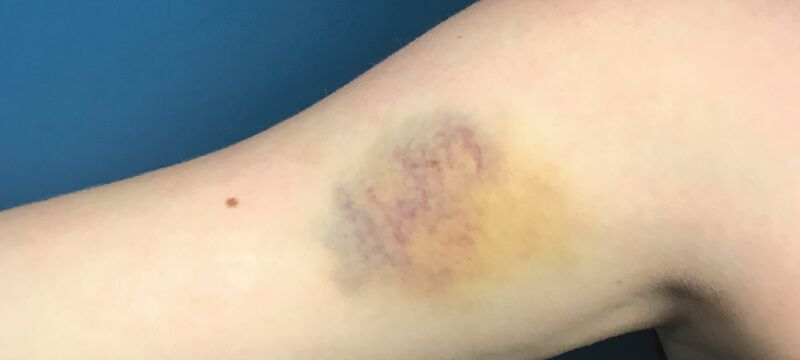
Bruising is a natural response to injury; bruises are the skin’s way of showing that small blood vessels have been damaged beneath the surface. While individuals of all ages develop a bruise after bumping into something, many people notice that bruises become more common, darker, and longer-lasting as we age. As the skin thins and blood vessels become fragile, even small bumps can leave noticeable marks.
Fortunately, with daily sun protection, balanced nutrition, and gentle skin care, you can keep your skin stronger and minimize bruising at any age.
Is Bruising Really More Common with Age?
Bruising does become more frequent, and the appearance of bruises are more pronounced, as we age. In younger skin, layers of collagen, elastin, and fat cushion the tiny blood vessels that run just beneath the surface. The prevalence of these structures work to absorb minor bumps and impacts before the capillaries can rupture.
Natural aging causes this cushioning to fade or be limited. The loss of skin firming proteins and fat tissue means the skin becomes thinner and less resilient, and even small amounts of pressure can cause capillaries to break. As a result, older adults may notice bruises appearing from seemingly harmless contact, even simply brushing up against furniture or carrying groceries can leave noticeable bruising.
Why Bruises Look Darker and Last Longer
In addition to increasing frequency, aging also effects the appearance of bruising. Since the skin becomes thinner, bruises sit closer to the skin’s surface and appear darker or more defined. The loss of dermal density allows the pooled blood to show through more vividly.
The loss of collagen and reduced elasticity also exaggerate the contrast in color between the bruise and the skin’s normal color. The lymphatic system, which helps clear the byproducts of blood breakdown, also works more slowly with age. This delay means it takes longer for the body to remove pigments such as biliverdin (greenish tint) and bilirubin (yellow tone), causing bruises to linger for weeks instead of days.
The Science: Why the Skin Bruises Easier with Age
Structural Changes in the Skin
- Thinning of the epidermis: The outermost skin layer renews itself more slowly over time. With fewer fresh cells, the epidermis offers less protection to the delicate capillaries beneath.
- Loss of collagen and elastin: Collagen provides strength, and elastin provides flexibility. As these proteins decline, especially after menopause or years of sun exposure, the skin becomes less able to absorb impact.
- Reduced subcutaneous fat: The fat layer beneath the dermis cushions blood vessels. As this natural padding thins, vessels are more exposed and rupture more easily.
Vascular Fragility and Circulatory Changes
- Weakened capillary walls: Aging blood vessels lose collagen and flexibility, making them more fragile. Chronic sun exposure (photoaging) worsens this process.
- Slower microcirculation: Blood flow through tiny vessels declines with age, limiting the delivery of oxygen and nutrients. This slows healing and prolongs discoloration.
- Increased vascular permeability: Fragile vessels may leak small amounts of blood even without injury, leading to flat purple “blood spots” known as actinic or senile purpura.
Decline in Skin Repair and Regeneration
- Slower cell turnover: Skin cells regenerate less frequently, delaying the body’s ability to clear leaked blood.
- Reduced fibroblast activity: Fibroblasts, cells responsible for producing new collagen, become less active with age, weakening the repair process.
- Oxidative stress: Years of UV exposure and environmental factors create free radicals that damage collagen and elastin, further weakening the skin’s structure.
External Factors That Worsen Bruising
Certain lifestyle and environmental factors can make bruising more noticeable:
- Sun exposure: Long-term UV damage thins the dermis and contributes to solar (actinic) purpura, especially on the forearms and hands.
- Medications: Blood thinners, corticosteroids, and NSAIDs (such as ibuprofen) make capillaries more vulnerable.
- Skin tone: Bruises may appear more vivid in fair or thin skin, where less pigment and fat conceal the pooled blood.
Most Common Areas for Bruising as We Age
Bruising is more prevalent along certain areas of the body as these areas naturally have thinner skin and less padding. Common areas for bruises include:
- Forearms and backs of hands: These areas experience frequent sun exposure and minimal subcutaneous fat
- Shins and outer thighs: These lower leg areas are prone to accidental bumps and impacts
- Upper arms – With aging, the upper arms have thinner tissue and decreased fat support
With aging, people will also find that bruises develop along any area of the body, even places where (historically) bruising rarely occurred.
Does It Take Aged Skin Longer To Recover From Bruising?
The results of aging like lower collagen production and reduced blood circulation mean that bruises do take longer to heal. In younger skin, damaged tissue quickly regenerates and clears away pooled blood, often within days. In mature skin, the same regenerative process can take several weeks.
The body’s lymphatic system, which helps remove cellular waste and old blood pigments, also becomes less efficient with age. Combined with a slower repair response, this prolongs the visible stages of bruising, from red and purple to green and yellow before finally fading.
Can You Prevent or Minimize Bruising in Aging Skin?
Obviously, there is no way to completely prevent bruising as it’s a natural response to trauma. There are, however, ways to reduce its frequency and severity:
- Protect from UV exposure: Wear sunscreen daily, cover up with long sleeves, and seek shade whenever possible.
- Moisturize regularly: Hydrated skin is more supple and resistant to tearing. Look for creams with ceramides or hyaluronic acid.
- Eat a nutrient-rich diet: Foods high in vitamins C and K help strengthen blood vessels and support collagen production. Citrus fruits, leafy greens, and bell peppers are good choices.
- Use topical retinoids (with guidance): Prescription retinoids can thicken the skin and boost collagen formation over time.
- Be gentle on the skin: Avoid harsh exfoliants, hot water, or vigorous rubbing when cleansing or drying your skin.
- Review medications: If bruising is frequent, talk with your doctor about whether dosage adjustments or alternative treatments might help.
Small changes to your daily routine can make a noticeable difference in how your skin responds to minor bumps or pressure.
How to Help Bruises Heal Faster
If a bruise does appear, a few simple home remedies can speed recovery:
- Cold compress: Apply a wrapped ice pack for 10–15 minutes soon after injury. Cold constricts blood vessels and limits the spread of blood beneath the skin.
- Warm compress: After 24–48 hours, switch to gentle warmth to improve circulation and help clear the pooled blood.
- Topical creams: Arnica montana and vitamin K creams may reduce discoloration and inflammation.
- Elevation: Keep the affected area elevated, if possible, to minimize swelling and fluid buildup.
- Protection: Avoid re-injuring the same spot while it heals, and wear long sleeves or soft clothing if needed.
Learn more about treating moderate to severe bruising
When to See a Physician
Occasional bruising is normal, but frequent or unexplained bruises may require medical evaluation. Consider seeking medical advice if:
- Bruises appear without any clear cause.
- They are unusually large, painful, or slow to heal.
- You notice other signs of bleeding, such as nosebleeds or blood in urine.
A healthcare professional can review medications, rule out underlying conditions, and suggest ways to improve skin strength and circulation.

Dr. Gordon is Board Certified by the American Board of Dermatology and is a member of the American Society of Dermatologic Surgery (ASDS), the American Academy of Dermatology, the Dermatology Foundation, the Texas Medical Association and the Travis County Medical Society. Currently, Dr. Gordon oversees our South Austin location.
Disclaimer: The contents of the Westlake Dermatology website, including text, graphics, and images, are for informational purposes only and are not intended to substitute for direct medical advice from your physician or other qualified professional.
This is an interesting topic, I read it and I’m thinking you probably mean older individuals. I’m in my mid-40’s and I don’t think I’ve noticed any increase in bruising. But maybe I’m lucky haha
Aw, this was a really nice post, i thought i was going crazy haha makes sense