
Glazing Milk vs. Milky Toners: What’s The Difference?
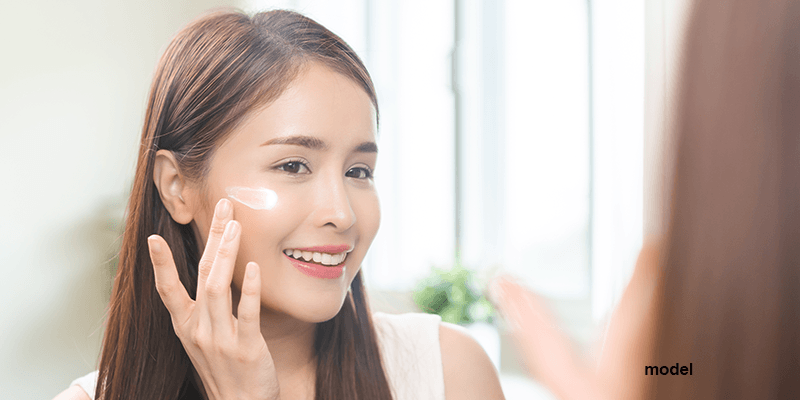
If you follow skin care trends on social media, you’ve surely come across posts promoting “glazing milk.” These products promise to deliver ultra-hydrated, glass-like skin by layering lightweight moisture into the routine.
While the name may sound new, the concept itself is not. In many ways, glazing milk is simply a modern rebranding of milky toners, a product category that has existed in skincare for years. The difference is largely marketing and packaging rather than a major shift in how these products function.
In this post, we’ll explain what glazing milk and milky toners actually are, what benefits they claim to provide, how effective they really are, and how they fit into a skin care routine.
What Is Glazing Milk?
“Glazing milk” is a term used by some brands to describe a lightweight hydrating liquid designed to give skin a dewy, glossy appearance.
The name comes from the popular “glazed skin” aesthetic, which emphasizes hydrated, luminous skin with a smooth, reflective surface.
Most glazing milk formulas contain a combination of:
- Humectants such as glycerin or hyaluronic acid
- Soothing ingredients like panthenol or allantoin
- Barrier-supporting lipids such as ceramides or squalane
Most glazing milk products have a thin and lotion-like texture, making it lighter than a moisturizer but richer than a traditional watery toner.
Despite the trendy name, these products function very similarly to milky toners or hydrating essences.
What Are Milky Toners?
Milky toners are lightweight hydrating liquids that contain small amounts of moisturizing ingredients suspended in a watery base. They appear slightly opaque or “milky” because of the added lipids and emollients.
These products have been staples in Korean beauty routines for many years and are designed to:
- Hydrate the skin
- Support the skin barrier
- Improve skin softness
- Prepare the skin for serums and moisturizers
Unlike traditional toners, which historically focused on removing excess oil or tightening pores, milky toners are designed primarily for hydration and barrier support.
Is Glazing Milk Just a Rebrand of Milky Toners?
Pretty much! While product formulations vary by brand, glazing milk products typically serve the same function as milky toners, their core ingredients and texture are often very similar.
The difference is largely marketing: the term “glazing milk” aligns with current beauty trends focused on “glass skin,” “glazed skin,” and ultra-hydrated complexions. By framing the product around this aesthetic, brands can present a familiar product type in a way that feels new and exciting.
From a functional standpoint, however, most glazing milk products feature similar ingredients and perform the same role that milky toners have filled for years.
What Benefits Do These Products Claim to Provide?
Glazing milk and milky toner products are typically marketed for several skin care benefits:
Increased Hydration
The primary benefit is improved hydration. Humectants draw water into the outer layer of the skin, helping it feel softer and more comfortable.
Improved Skin Barrier Support
Ingredients such as ceramides and fatty acids may help reinforce the skin barrier, reducing moisture loss.
Smoother Skin Texture
Well-hydrated skin tends to appear smoother and less flaky, which can improve overall skin texture.
A Dewy, Radiant Appearance
Hydrated skin reflects light more evenly, creating the luminous “glow” that these products are often marketed to provide.
How Effective Are Glazing Milk and Milky Toners?
Glazing milk and milky toners can provide helpful hydration and support the skin barrier, but their effects are generally modest and primarily surface-level.
Most of the benefits come from humectants such as glycerin and hyaluronic acid, which attract water to the outermost layer of the skin. This can make skin feel softer, smoother, and more comfortable, particularly for individuals experiencing dryness or dehydration.
Since hydrated skin reflects light more evenly, users may also notice a temporary improvement in radiance or “glow.” This effect is one reason these products are frequently associated with the “glazed skin” aesthetic.
However, it is important to keep expectations realistic. Glazing milk does not penetrate deeply enough to significantly alter skin structure. It does not meaningfully stimulate collagen production, tighten skin, or reverse deeper wrinkles.
In many cases, the dramatic glow seen online is partly due to the product itself sitting on the surface of the skin and reflecting light. While hydration benefits are real, the visible improvements are usually subtle and temporary rather than transformative.
For individuals with dry or compromised skin barriers, these products can improve comfort and softness. But for many people, the difference between using a glazing milk and simply using a well-formulated moisturizer may be relatively small.
Who Should Consider Using Glazing Milk or Milky Toners?
Glazing milk or milky toners may be helpful for:
- Individuals with dry or dehydrated skin
- People experiencing barrier disruption from retinoids or exfoliants
- Those living in dry climates
- Patients who prefer layered hydration routines
They may also be useful for individuals who find heavier creams uncomfortable but still want additional hydration.
Who Should Use Them Carefully?
While both milky toners and glazing milk products are generally gentle (as most formulations feature skin calming and hydrating ingredients), they may not be right for everyone. Individuals with oily or acne-prone skin may find that multiple hydrating layers feel heavy, contribute to oiliness, and can lead to more clogged pores and breakouts. Acne prone individuals may benefit more from using a lighter moisturizer combined with a retinoid or other active.
How to Incorporate Glazing Milk or Milky Toners Into Your Routine
Like most toners, both products are typically used after cleansing and before sunscreen (in the am) and serums (in the pm). They are also gentle enough for use both morning and night.
A simple routine might look like:
Morning routine
- Cleanser
- Glazing milk or milky toner
- Moisturizer
- Sunscreen
Evening routine
- Cleanser
- Glazing milk or milky toner
- Treatment serums (such a retinol)
- Moisturizer
Glazing milk products are typically lightweight, so they will not hinder the skin’s absorption of subsequent skincare products.
Are There Alternatives That Provide Similar Benefits?
For those seeking hydration and skin barrier support, there are several alternatives that can provide similar or even greater benefits:
Traditional Moisturizers
A well-formulated moisturizer often contains many of the same hydrating ingredients found in glazing milk products, including humectants, emollients, and occlusives.
When used consistently, moisturizers containing ingredients such as ceramides, glycerin, and fatty acids can improve hydration, strengthen the skin barrier, and reduce moisture loss. For many people, this single step may provide sufficient hydration without additional layers.
Hydrating Serums
Serums containing hyaluronic acid, glycerin, or panthenol can deliver lightweight hydration similar to milky toners. When paired with a moisturizer, they can provide comparable benefits without adding extra steps to a routine.
Barrier Repair Products
Products specifically designed to repair the skin barrier often contain optimized ratios of ceramides, cholesterol, and fatty acids. These formulations may provide more meaningful support for individuals experiencing dryness or sensitivity.
Professional Treatments
For individuals seeking dramatic improvements in skin quality, in-office procedures can address concerns that topical skin care products cannot.
Treatments such as chemical peels, microneedling, and certain laser therapies can improve skin texture, tone, and collagen production in ways that topical hydration products cannot achieve.
Ultimately, glazing milk can be a helpful addition for those who enjoy multi-step routines, but it is not essential for achieving hydrated skin. Many people can achieve similar or even better results by focusing on consistent use of well-formulated moisturizers and targeted treatments.
The Bottom Line
Glazing milk may be a trendy term, but the concept behind it is not new. Most of these products function very similarly to milky toners, a hydrating product category that has existed in skincare routines for years.
They can provide helpful hydration and improve skin softness, particularly for individuals with dry or dehydrated skin. However, their effects are typically limited to surface hydration rather than deeper structural improvements.
For many people, consistently following a simple routine with a well-formulated moisturizer may provide the same benefits without additional steps.

Haneen Issa, PA-C is a board-certified Physician Assistant specializing in both medical and cosmetic dermatology, known for her advanced clinical skill and warm, patient-centered approach. A Houston native, she graduated with honors from Houston Baptist University before completing her Physician Assistant training at Keiser University in South Florida, where she finished at the top of her class and served as Vice President of her cohort. She is an SDPA Diplomate Fellow and an active member of the Society of Dermatology Physician Assistants, continually advancing her expertise through national and international training in aesthetics, dermatology, and regenerative medicine. Haneen offers a comprehensive range of procedures, including neuromodulators, dermal fillers, biostimulatory injectables, PRP, exosome therapy, microneedling, resurfacing lasers, IPL, and body contouring treatments such as Aveli for cellulite. Her extensive hands-on training with world-renowned experts allows her to deliver highly customized, natural-looking outcomes tailored to each patient’s goals. Known for her holistic perspective, she integrates regenerative medicine and wellness strategies to help patients achieve healthier, more radiant skin at every age.
Disclaimer: The contents of the Westlake Dermatology website, including text, graphics, and images, are for informational purposes only and are not intended to substitute for direct medical advice from your physician or other qualified professional.