
Are NAD+ Anti-Aging Injections Really Worth the Hype?
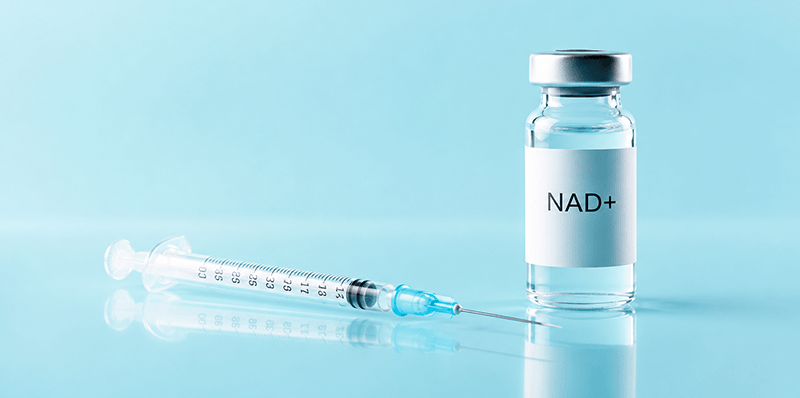
If you spend time on TikTok or Instagram wellness accounts, you’ve probably seen people hooked up to IV drips or getting “NAD shots” with promises of more energy, sharper focus, and younger-looking skin. NAD+ (nicotinamide adenine dinucleotide) has become a buzzword in longevity circles, and injectable NAD+ therapies are now being marketed as the latest anti-aging fix.
As dermatologists, we are very interested in ingredients that may truly slow visible skin aging. We are also cautious when a complex cellular coenzyme is suddenly treated like a miracle wrinkle cure. Below, we break down what NAD+ is, what injections can and cannot do, and whether they belong in an anti-aging skin routine.
What Is the NAD+ Anti-Aging Injection Trend?
NAD+ is a coenzyme found in every cell in the body. It helps turn nutrients into cellular energy and supports critical processes like DNA repair and cell survival. NAD+ levels naturally decline with age, and this decline has been linked to aging in many tissues, including the skin.
The trend you see online centers on:
- IV NAD+ infusions: A bag of fluid containing NAD+ is infused through a vein over several hours.
- Intramuscular (IM) NAD+ injections: Smaller doses are injected directly into a muscle.
- “Longevity drips” or “anti-aging IVs”: Combination infusions that may include NAD+, vitamins, glutathione, and other additives.
These services are popular on TikTok, Instagram, and wellness-focused YouTube channels. They’re also heavily promoted in biohacking communities and by clinics that specialize in “longevity optimization.” Some celebrities and influencers in the wellness space have referenced NAD+ drips as part of their routine, which contributes to the trend’s visibility.
What Benefits Do NAD+ Anti-Aging Injections Promise?
NAD+ injections are often marketed as a way to “recharge” the body on a cellular level. The most common claims include:
- Smoother, more “youthful” skin
- More energy and reduced fatigue
- Better sleep
- Improved mood or focus
- Enhanced skin radiance or firmness
Beauty creators often describe personal results such as:
- “My skin looked like it had a glow filter on it.”
- “I felt more energized and my skin looked plumper.”
- “My fine lines looked softer the next morning.”
Why would someone want to try this? Mostly because it’s packaged as an internal, science-forward strategy that promises to “reverse” cellular aging. The trend also aligns with the broader wellness movement focused on longevity, biohacking, and high-end IV therapies.
Does It Actually Work?
How and when is NAD+ injected?
NAD+ can be administered through:
- IV infusions, which often take 2 to 6 hours, depending on dose and speed.
- IM injections, which are quicker and smaller in volume.
There is no standardized dosing protocol, and there are no FDA-approved NAD+ injections for cosmetic skin rejuvenation.
The science behind NAD+ and aging
There is strong basic science showing that:
- NAD+ is essential for cellular energy production.
- NAD+ levels decrease with age.
- Low NAD+ levels are associated with impaired DNA repair and reduced cellular resilience.
In skin, NAD+ depletion has been linked with weaker barrier function, reduced collagen production, and increased inflammation, all of which contribute to visible aging.
But does injecting NAD+ improve the skin?
This is where the evidence becomes unclear:
- Human studies on NAD+ injections are limited, small, and not focused on cosmetic outcomes.
- Most research on NAD+ and aging uses oral precursors or laboratory models, not injectable NAD+.
- There are no large clinical trials proving that NAD+ injections reduce wrinkles, improve firmness, or rejuvenate the skin.
So while the biology of NAD+ is valid and exciting, using injections as an anti-aging treatment for the skin remains unproven.
Potential Risks or Downsides of NAD+ Anti-Aging Injections
Even though NAD+ is natural, injections still carry potential risks, including:
- Nausea, flushing, chest or abdominal discomfort during IV infusion
- Headaches or fatigue afterward
- Pain, bruising, or infection at injection sites
- Phlebitis (vein inflammation)
- Allergic reactions to components of the infusion
- Unknown long-term safety, especially with repeated high doses
There are also theoretical concerns for individuals with a history of cancer because NAD+ pathways play a role in cell growth and repair.
Additionally, NAD+ injections can be expensive, and the money may be better spent on proven skin treatments.
Are There Better Alternatives for Anti-Aging?
For people seeking reliable improvements in skin quality, texture, and firmness, several options have strong scientific backing and predictable results.
Topical and daily skincare options
- Broad-spectrum sunscreen (SPF 30 or higher) is the best prevention for UV damage and photo aging
- Topical retinoids for collagen support
- Vitamin C, ferulic acid, and niacinamide for antioxidants and barrier health
- Peptides and ceramides for hydration and repair
In-office dermatology treatments
- Fraxel, LaseMD, or UltraClear laser treatments
- Microneedling or RF microneedling
- Botox for expression lines
- Fillers or Sculptra for volume loss and laxity
- Chemical peels for brightness and texture
These treatments have robust clinical evidence and can be tailored to an individual’s goals.
Final Verdict
NAD+ is scientifically fascinating, and its role in aging is real. However, NAD+ injections as an anti-aging skin treatment are not proven, and results shared online are largely anecdotal. Most people will see better and more predictable improvements by sticking with well-researched skincare ingredients and dermatologist-performed treatments.

Dr. Madalyn Nguyen is a Board-Certified Dermatologist who specializes in general medical, surgical, and cosmetic dermatology, with an added expertise of skincare. She enjoys treating all things hair, skin, and nails, including acne, rashes, skin cancer, and more. Dr. Nguyen believes in the individuality of each person and tailors her recommendations and care to their specific needs. She takes a well-rounded approach to facial balancing and cosmetic contouring to achieve natural results and to help her patients achieve their personal goals.
Disclaimer: The contents of the Westlake Dermatology website, including text, graphics, and images, are for informational purposes only and are not intended to substitute for direct medical advice from your physician or other qualified professional.