
Skincare In A Tin Can: Can Sardines Improve Your Skin?
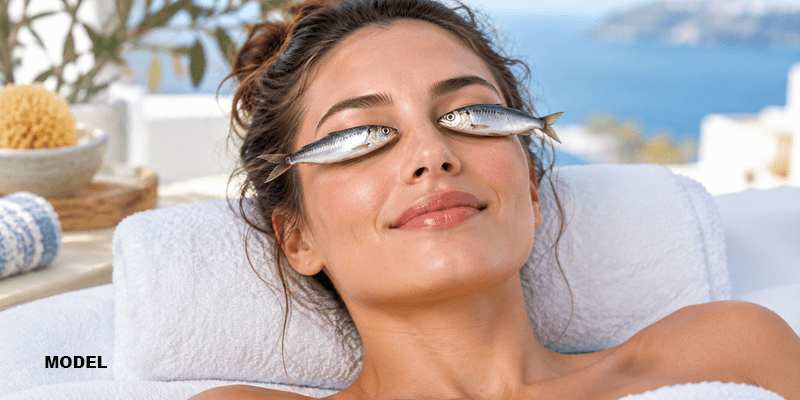
Sardines have been a long-standing skin care trend, with influencers from all over the world promoting them as the key to numerous skin care benefits. Depending on who you ask, sardines are the key to glowing skin, a key way to protect the skin from harmful free radicals, even a way to reverse wrinkles (with some going as far as claiming sardines as “nature’s Botox”).
There is some logic behind their skin benefit, sardines are rich in omega-3 fatty acids, protein, vitamin D, vitamin B12, selenium, and other nutrients that are known to support healthy looking and feeling skin.
Could the ultimate skin revitalizing solution come from a tin can? Will regularly eating sardines actually result in dramatic and lasting skin improvements?
We created the following “sardines scorecard” to take a quick look at some of the most eye-catching sardine claims, and how whether or not they actually hold up.
Claim #1: Sardines Boost Skin Hydration
Verdict: PLAUSIBLE
Omega-3 fatty acids are known to play a role in healthy cell membranes and normal skin-barrier function. Research involving omega-3 supplementation suggests these fats may help support hydration and reduce water loss through the skin.
However, this does not mean eating sardines will instantly or dramatically reverse dry skin. A simple (and consistent) skin care regimen that includes a high-quality moisturizer is a far more direct way to make sure your skin stays properly hydrated.
Claim #2: Sardines Can Strengthen the Skin Barrier
Verdict: PLAUSIBLE
The EPA and DHA found in sardines may support normal skin-barrier function and help regulate inflammation. This makes sardines a reasonable addition to a diet intended to support overall skin health. People should view sardines as nutritional support for the skin barrier, not a replacement skin barrier focused ingredients like ceramides or lipids.
Claim #3: Sardines Clear Acne
Verdict: PROMISING, BUT NOT PROVEN
It’s true that omega-3 fatty acids have anti-inflammatory properties, and some studies have found improvements in acne among people consuming supplemental omega-3s or following omega-3-rich dietary patterns.
The evidence is still limited, and sardines have not been proven to clear acne on their own. Patients with persistent acne can try adding sardines to their diet, but they should also continue using proven topical or prescription treatments rather than relying on dietary changes alone.
@sidandlisten Can you smell the sardines through the screen? #sardines #skincareroutine #glowyskincare ♬ original sound – sidandlisten
Claim #4: Sardines Reduce Skin Inflammation
Verdict: POSSIBLY
Omega-3 fatty acids can help regulate inflammation throughout the body. By reducing certain inflammatory signals, EPA and DHA may help calm some of the processes that contribute to redness, irritation, and inflammatory breakouts in the skin. This may be one reason diets rich in oily fish are sometimes associated with healthier skin.
That does not mean sardines can treat inflammatory skin conditions such as rosacea, eczema, or psoriasis. Sardines (and a healthy diet in general) may support the management of chronic skin conditions, but it does not replace treatments.
Claim #5: Sardines Can Give You Glowing or “Glass” Skin
Verdict: OVERSTATED
Good nutrition can absolutely contribute to healthier-looking skin. Adequate protein, healthy fats, vitamins, minerals, hydration, sleep, and skin care all affect how the complexion looks.
However, there is no evidence that regularly consuming sardines will reliably create the smooth, reflective appearance associated with glass skin. Working towards addressing issues like dehydration, acne, redness, pigmentation, and texture directly will have a much greater impact on the final appearance of the skin.
Claim #6: Sardines Can Prevent Wrinkles
Verdict: LIMITED EVIDENCE
The protein, omega-3 fats, antioxidants, and micronutrients found in sardines are great for optimal skin health. Following a nutrient-rich diet may also help support healthy aging over time. However, that is no data that to supports wrinkle prevention or reduction due to eating sardines.
Other lifestyle practices like practicing sun protection, consistently using anti-aging serums, avoiding known skin agers like smoking and alcohol, and undergoing professional cosmetic treatments are far more effective in minimizing lines and wrinkles.
Claim #7: Sardines Are “Nature’s Botox”
Verdict: DEFINITELY NO
This one is pure social-media hype. Botox works by temporarily reducing targeted muscle contractions that result in dynamic wrinkles.
No matter how many sardines you eat, they will never recreate that mechanism. Sardines may provide nutrients, but they are unable to smooth currently occurring dynamic expression lines and wrinkles in the same way Botox can.
Claim #8: Sardines Can Help Protect Skin From Sun Damage
Verdict: SCIENTIFICALLY INTERESTING, BUT DO NOT SKIP SPF
Some research involving omega-3 fatty acids has suggested they may influence the skin’s inflammatory response to ultraviolet exposure (specifically reducing redness and other signs of sun-induced damage).
However, this is very different from providing meaningful sun protection. Sardines do not provide SPF; eating a high sardine diet will not protect the skin from UV rays of any form. Practicing sun-protective habits like daily use of a broad-spectrum sunscreen, protective clothing, and staying indoors during peak UV hours is the only way to minimize sun damage.
Claim #9: Applying Sardine Oil Directly to Your Skin is Effective
Verdict: SKIP IT
While there is limited experimental research involving specially prepared fish-oil extracts, nothing currently supports applying food-grade sardines or oil from a tin directly to the face. Beyond being messy, the practice may cause skin irritation or clogged pores. Plus, it’s completely unnecessary as there are better alternatives including professional formulated moisturizers and barrier enhancing serums.
Claim #10: Eating Sardines Every Day Will Transform Your Skin
Verdict: UNLIKELY
There is no established number of sardines that has been shown to improve the skin. While sardines are rich in nutrients that support skin health, they are only one of many foods that can contribute to healthy skin. Other nutrient-rich options include salmon and other fatty fish, walnuts and chia seeds, avocados, eggs, leafy greens, berries, citrus fruits, and colorful vegetables.
Rather than focusing on one trendy or viral food, a balanced diet that includes a variety of proteins, healthy fats, fruits, and vegetables is a more reliable way to support skin health over time.
What Sardines Actually Can Do for Your Skin
Sardines do deserve some of their healthy-skin reputation. The oily fish does provide many nutrients that are can help optimize skin health including:
- Omega-3 fatty acids
- High-quality protein
- Vitamin D
- Vitamin B12
- Selenium
However, sardine consumption (in any quantity) will not reliably clear acne, erase wrinkles, create glass skin, cure chronic skin issues, or replace proven skincare ingredients/treatments. Many of the dramatic claims circulating online go well beyond what current evidence shows.
If you enjoy sardines, by all means add them to your pizza (as part of a balanced diet). Just don’t expect one food, even a very nutritious one, to transform your skin by itself. There’s no need to eat sardines at every meal.

Kim Anderson, MPAS, PA-C, Certified Physician Assistant, graduated from Texas Tech University Health Science Center in Midland, Texas where she received her Masters in Physician Assistant Studies. Previous to joining Westlake Dermatology, Kim gained experience in cosmetic plastic surgery, cosmetic dermatology, and women’s health. Kim is dedicated to partnering with and empowering her patients through education and tools to develop a comprehensive treatment plan which obtains the results her patients are looking for. She is certified by the National Commission of Certification of Physician Assistants and is licensed through the Texas medical Board. Kim is a member of the Texas Association of Physician assistants as well as the Society for Dermatology Physician Assistants.
Disclaimer: The contents of the Westlake Dermatology website, including text, graphics, and images, are for informational purposes only and are not intended to substitute for direct medical advice from your physician or other qualified professional.