
Plastic Surgery Revisions: When Good Results Need a Refresh

Our plastic surgeons take pride in helping patients achieve amazing, lifechanging. In many cases, procedure results last for years or even decades with proper maintenance. However, even the best surgical result cannot stop the natural changes that continue after the procedure. Factors like aging, gravity, pregnancy and breastfeeding, weight fluctuations, and changes in skin elasticity can all affect the face or body over time.
Any degradation of the result of the original procedure does not mean that the initial surgery was ineffective. It simply means skin characteristics and/or anatomy has changed following surgery. When those changes become significant, a revision procedure may help restore, refine, or update an earlier result.
What Is Plastic Surgery Revision
When people hear “revision surgery,” they often assume it is performed to correct an unsatisfactory initial result. Although some revision procedures serve that purpose, many patients were happy with the results of their initial procedure and return years later because aging, pregnancy, weight changes, or other factors have gradually altered it. In these cases, revision surgery can refresh the original improvement and help patients continue enjoying their results.
In fact, plastic surgery revision is a broad category that refers to a secondary procedure performed after an earlier cosmetic surgery. Some revisions address a result that has changed gradually over time. Others refine a specific feature, respond to a life change, replace or remove an implant, or address a new functional concern.
Common reasons patients seek a revision include:
- Correcting or further optimizing an earlier surgical result
- Refreshing a result that has changed after many years
- Adjusting the result after life changes (pregnancy or weight fluctuations)
- Replacing or removing an implant
- Addressing a new functional concern
- Combining the original procedure with a complementary treatment
- The patient’s aesthetic preferences have changed
Revision procedures can range from a small adjustment to a more extensive operation. The appropriate approach depends on what has changed, the condition of the tissues, the details of the first surgery, and what the patient hopes to accomplish.
When to Consider Revision: A Procedure-by-Procedure Guide
Revision needs differ greatly by procedure. In the following sections, we will discuss common reasons for revision after several popular cosmetic surgery procedures, along with what results a revision procedure could provide.
Rhinoplasty Revision
Rhinoplasty permanently changes nasal anatomy, so the results of an initial rhinoplasty are extremely long lasting. However, the nose can still change as swelling resolves, scar tissue matures, facial tissues age, and the altered nasal structures settle. A structural weakness or breathing concern may also return over time.
Common signs a revision may be necessary:
- The nose appears increasingly uneven or out of balance with the face
- Nasal obstruction or breathing problems persist
- Nasal tip, bridge, or nostrils need further refinement
- Patient’s cosmetic goals change
- Cosmetic concerns stemming from injury
What rhinoplasty revision may accomplish
Revision rhinoplasty may refine nasal shape, improve proportion, strengthen structural support, or address breathing. The procedure may require cartilage grafting because cartilage removed or weakened during the first operation is no longer available to support the nose.
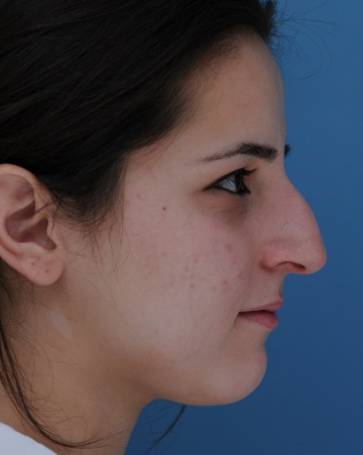 Before
 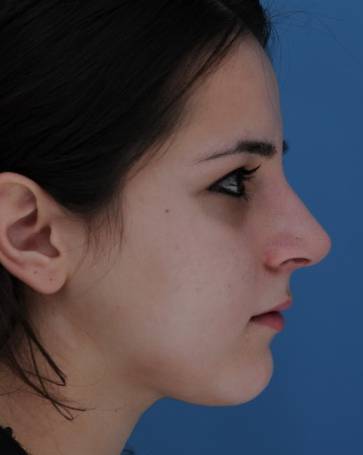 After
After 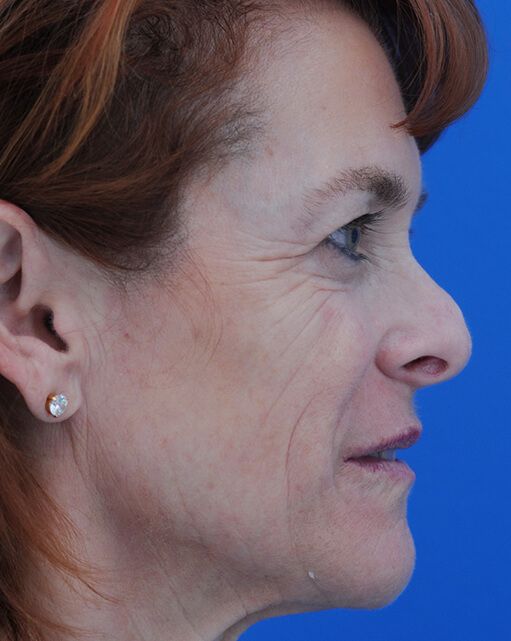 Before
 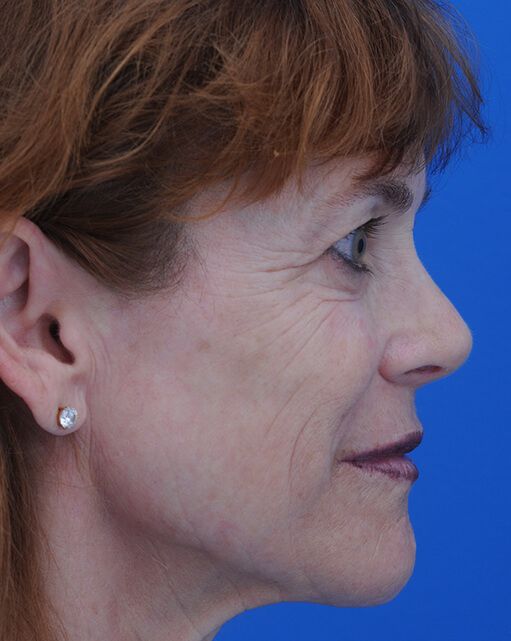 After
After View Revision Rhinoplasty Photo Gallery
Facelift and Neck Lift Revision
A facelift or neck lift can turn back visible signs of aging, but it cannot stop the aging process. As the years pass, skin and supportive tissues continue to loosen. Facial fat and tissue may also shift or diminish. Patients may gradually notice jowl re-development, neck laxity, deeper folds, or hollowing even though they still look younger than they would have without the original surgery.
Common signs a revision may be necessary:
- The jawline has become less defined
- Loose neck skin has gradually returned
- New facial volume loss creates a hollow appearance
- The face and neck no longer appear balanced
- Nonsurgical treatments no longer provide enough improvement
- What a neck lift revision may accomplish
A secondary facelift or neck lift may restore definition and reposition lax tissue. Some patients need only a limited surgical refresh. Others may benefit more from a different secondary treatment including fat grafting, laser resurfacing, or injectables to address volume loss and skin quality.
Blepharoplasty (Eyelid Surgery) or Brow Lift Revision
Blepharoplasty and brow lift results can be long-lasting, but the eyelids, forehead, and brows continue to age. Upper eyelid skin may loosen again, the brow can descend, and new under-eye puffiness or hollowness may develop. In some cases, what appears to be recurring eyelid hooding is partly caused by a lower brow position.
Common signs a revision may be necessary:
- The return of eyelid hooding or drooping
- Under-eye bags, hollows, or loose skin have become more noticeable
- The eyes appear tired despite adequate rest
- The brows return to a descended position
What a blepharoplasty or brow lift revision my accomplish
Depending on the cause of the concern, treatment may involve secondary surgical procedure, fat transfer, or laser skin resurfacing. The surgeon must determine whether the change comes from the eyelid, brow, surrounding tissue, or a combination of areas. Careful evaluation is important because removing more eyelid skin is not always the right solution
Breast Augmentation Revision
The breasts can continue to change in appearance after breast augmentation because of aging, gravity, pregnancy, hormonal changes, and weight fluctuations. The breast tissue may begin to sag over the implant, and the implant pocket can stretch or shift. Breast implants, while long lasting, are also not considered lifetime devices.
Common signs a revision may be necessary:
- The implants shift or become displaced
- New asymmetry has developed
- An implant may have ruptured or deflated
- Capsular contracture development
- Patient desires different breast size
- Patient no longer wants implants
What breast augmentation revision may accomplish
Breast augmentation revision may include exchanging or removing an implant, treating the capsule of scar tissue around it, adjusting the implant pocket, adding fat grafting, or performing a breast lift procedure. The best approach depends on implant condition, breast tissue, skin elasticity, symptoms, and the patient’s current goals.
View Breast Augmentation Revision Photo Gallery
Breast Lift Revision
A breast lift (or mastopexy surgery) can improve breast position, but breast tissue and skin continue responding to aging and gravity. Pregnancy, breastfeeding, or any weight changes after the initial surgery may further affect breast size, fullness, shape, or symmetry.
Common signs a revision may be necessary:
- Breast sagging has gradually returned
- The nipples return to pointing downward
- General breast position has changed
- Unwanted asymmetry develops
What a breast lift revision may accomplish
A revision may further reshape or lift the breasts, improve nipple position, or correct asymmetry. If desired, any lost fullness may be restored via a breast augmentation (implants) or fat grafting procedure.
Tummy Tuck Revision
A tummy tuck removes excess abdominal tissue and may repair separated muscles. Later pregnancy or significant weight fluctuations can stretch the remaining skin and abdominal wall again. Natural aging may also create new skin laxity in the abdomen.
Common signs a revision may be necessary:
- Loose abdominal skin has returned
- The abdomen develops an unwanted protruding appearance
- Muscle separation has redeveloped or become more noticeable
- A localized fat deposit disrupts the abdominal contour
- The abdominal scar or navel would benefit from revision
What tummy tuck revision may accomplish
Treatment goals may include removing additional skin, repairing recurrent muscle separation, revising the navel or scar, or adding targeted liposuction in order to tighten and tone the stomach and enhance the silhouette.
Liposuction Revision
Liposuction permanently removes fat cells; they do not simply return. However, any fat cells that remain post-procedure can enlarge with weight gain. Aging and weight loss can also reduce skin elasticity, making loose skin more noticeable. In other cases, contour related issues can occur as a previously treated area may no longer blend as smoothly with nearby areas after the body changes.
Common signs a revision may be necessary:
- Weight fluctuations have altered the original contour
- Loose skin has become more noticeable
- Treated contour no longer blends smoothly with surrounding areas
- New fat deposits have developed in other areas
What liposuction revision may accomplish
Depending on the concern, a revision may include a variety of body contouring treatments including additional (limited) liposuction, fat transfer, or a skin-removal procedure such as a tummy tuck, arm lift, thigh lift, or body lift. A secondary liposuction on its own will alone generally fail to correct significant loose skin and may even make laxity issues worse.
A Revision Is Not A Repeat
Depending on patient need, a different approach may be a better option than simply repeating the initial procedure. For example:
- A facelift patient may need volume restoration through fillers rather than another full facelift
- A breast augmentation patient may benefit from a breast lift rather than larger implants
- A previous eyelid surgery patient that develops brow descent may benefit more from a brow lift
In many cases, a non-surgical option may provide enough improvement. In other instances, a secondary surgery may be required to realize the patient’s desire result. Either way, the best revision option involves a combination of identifying the real cause of the unwanted concern and assessing the patient’s current anatomy and skin characteristics.
Why Revision Surgery Can Be More Complex
Revision procedures are typically more challenging and difficult than an initial procedure. The surgeon may need to work around scar tissue, altered anatomy, reduced skin elasticity, or a limited amount of remaining tissue. Previous implants, sutures, cartilage removal, fat removal, and muscle repair may also affect which techniques can be performed safely.
Revisions require careful planning as the procedure may involve the repositioning of existing tissue, removal of scar tissue, replacement of an implant, or the utilization of fat or cartilage grafting to rebuild foundational support. In some cases, a conservative improvement is safer and more achievable than a dramatic change.
Every patient is unique and previous procedures change the anatomy differently, so revision surgery must be highly individualized. An experienced surgeon should explain what can reasonably be improved, which limitations may remain, and whether the expected benefit justifies another procedure.
What to Expect During a Revision Consultation
The primary goal of revision consultations is for the surgeon to develop an understanding of the previous surgery, how the result has changed, and the patient’s current goals. The provider will review previous medical and operative history and perform a physical examination of the treatment area(s) to assess their current state. With this information, the surgeon develops a treatment plant the desired end result.
If available, bring your implant card, operative report, and photographs from before and after the first procedure. This information can help the surgeon understand how your anatomy was changed and plan more accurately.
How to Choose the Best Surgeon for Your Revision
Perspective revision patients should choose a Board-Certified Cosmetic Surgeon with substantial experience performing the particular revision procedure you are considering. Experience with the initial procedures is important, but revision work requires the surgeon to be comfortable operating on scarred and previously altered anatomy.
Look for a surgeon who:
- Regularly performs the specific type of revision you need
- Takes time to carefully review original procedure reports and current anatomy
- Understand she challenges created by scar tissue and previous alterations
- Explains what improvement can be achieved safely
- Talke to you about the limitations and risks of further surgery
- Sets realistic expectations for the outcome and recovery
- Provides relevant revision before-and-after photographs
If appropriate, you may begin by consulting the original surgeon, who is already familiar with your operation. You can also seek a second opinion from another qualified surgeon, particularly if you want additional perspective or need expertise in a complex revision.

Michael Streitmann, MD is dually board certified by the American Board of Plastic Surgery and the American Board of Otolaryngology (Ear, Nose, and Throat Surgery). He completed a residency in ENT at the Medical College of Virginia in Richmond, Virginia. His training included plastic and reconstructive surgery of the face and neck, which led to an interest in plastic surgery of the entire body. Dr. Streitmann performs primary and revision surgery of the face, breast, and body, including procedures following massive weight loss. He also performs excision of skin cancers as well as complex reconstructions of the resultant defects.
Disclaimer: The contents of the Westlake Dermatology website, including text, graphics, and images, are for informational purposes only and are not intended to substitute for direct medical advice from your physician or other qualified professional.